

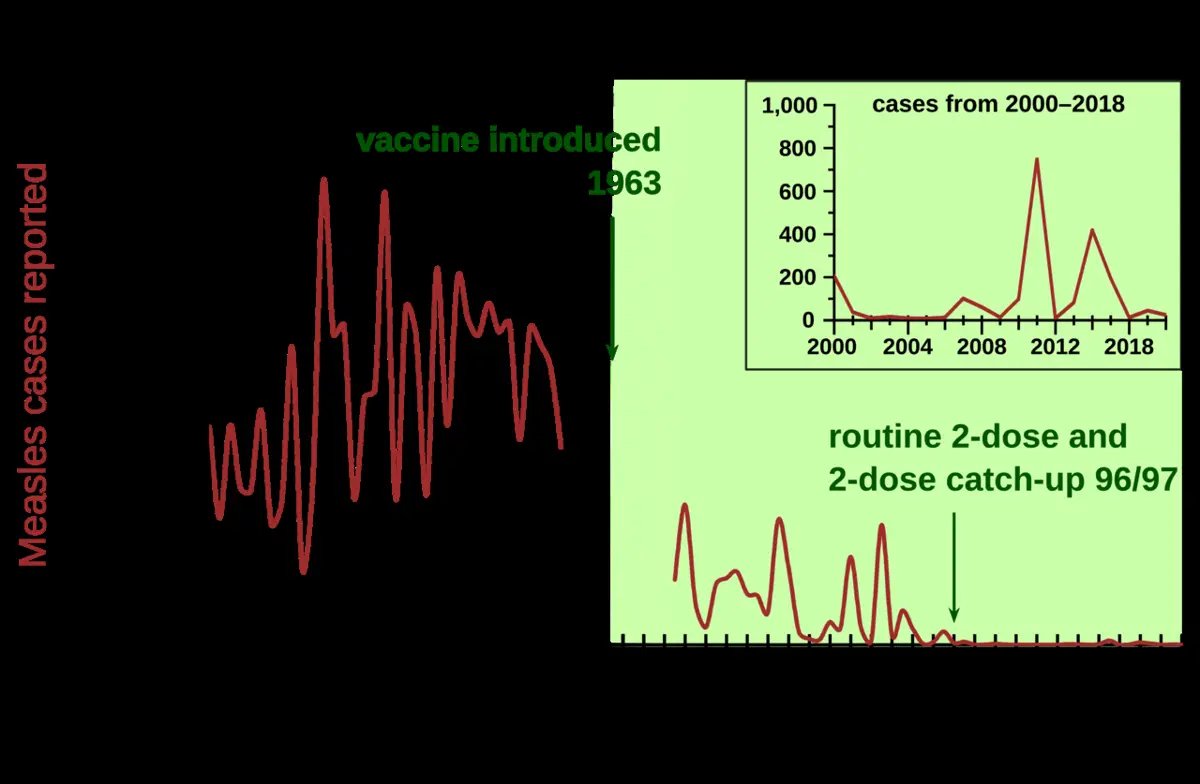
The US measles total has climbed again, rising 8 percent in one week to reach 4,410 confirmed cases. The figure is a reminder that measles, once declared eliminated in the United States, spreads quickly wherever immunity gaps open up. Officials stress that the pattern is well understood, the vaccine is highly effective, and the steps for families are straightforward.
The Drivers Behind the Rise
Specialists emphasise that the increase reflects susceptibility, not a new variant or a failing vaccine. The vaccine works as well as it ever did; the change is in how many people have received it in particular places. Add regular introductions from abroad and a virus that can infect the great majority of unprotected people exposed to it, and steady weekly growth is the predictable result.
Interest in how vaccines are developed and tested has been high among readers, as our earlier report on personalised vaccine research showed earlier this week.
How Measles Usually Presents
Clinicians look for a characteristic sequence: several days of fever with cough, runny nose and conjunctivitis, followed by a spreading red rash. Small white spots on the inside of the cheeks are another classic clue. Most people recover with rest and fluids, but measles can lead to ear infections, pneumonia or, rarely, brain inflammation, which is why early medical advice matters, especially for babies and people with weakened immunity.
The Official Advice on Vaccination
For most readers, the actionable advice is brief. Confirm that children have had both scheduled doses; if a dose was missed, book a catch-up rather than restarting anything; and check status before travelling abroad. The vaccine used in the United States has a decades-long safety record, and clinicians can answer individual questions about timing, including early doses for infants travelling to higher-risk areas.
The CDC measles resource sets out the current recommendations in full, including catch-up schedules and advice for travellers, and is the reference most clinicians direct families to.
A Measured of Proportion
Context matters when reading weekly jumps. A total of 4,410 cases is serious for a disease the US once eliminated, and each case requires real work from clinics and health departments. At the same time, the overwhelming majority of Americans are immune, transmission is concentrated rather than evenly spread, and the trajectory can change quickly when affected communities vaccinate and cooperate with contact tracing.
What Health Departments Do Next
When a case is confirmed, the response follows a practised sequence. Clinicians notify public health teams, who identify where the patient spent their contagious period, warn contacts and venues, and arrange testing and vaccination for those at risk. Because measles spreads through the air, this work is time-sensitive, and it is one reason officials ask suspected cases to phone ahead: a single unannounced visit to a crowded waiting room can create dozens of new exposures for staff to trace.
Doctors note that vitamin A is sometimes given to hospitalised children with measles under medical supervision, but it is a treatment support, not a substitute for vaccination.
Because measles was declared eliminated in the US in 2000, every chain of transmission today traces back, directly or indirectly, to a case imported from abroad.
Schools in affected areas may ask unvaccinated students to stay home during an outbreak, a standard measure intended to break transmission while protecting those most at risk.
People born before 1957 are generally presumed immune through childhood infection, though healthcare workers and travellers in that group are still advised to confirm their status.
A person with measles can spread the virus from four days before the rash appears until four days afterwards, which is why prompt isolation after symptoms start matters so much.
Laboratory confirmation is used to distinguish measles from other rash illnesses and to type the virus, helping officials link cases and spot new importations early.
Clinicians stress that antibiotics do not treat measles itself, though they may be needed for bacterial complications such as ear infections or pneumonia that can follow it.
Health departments responding to cases typically work backwards through flights, schools and clinics to warn anyone who shared airspace with an infectious person during the contagious window.
