

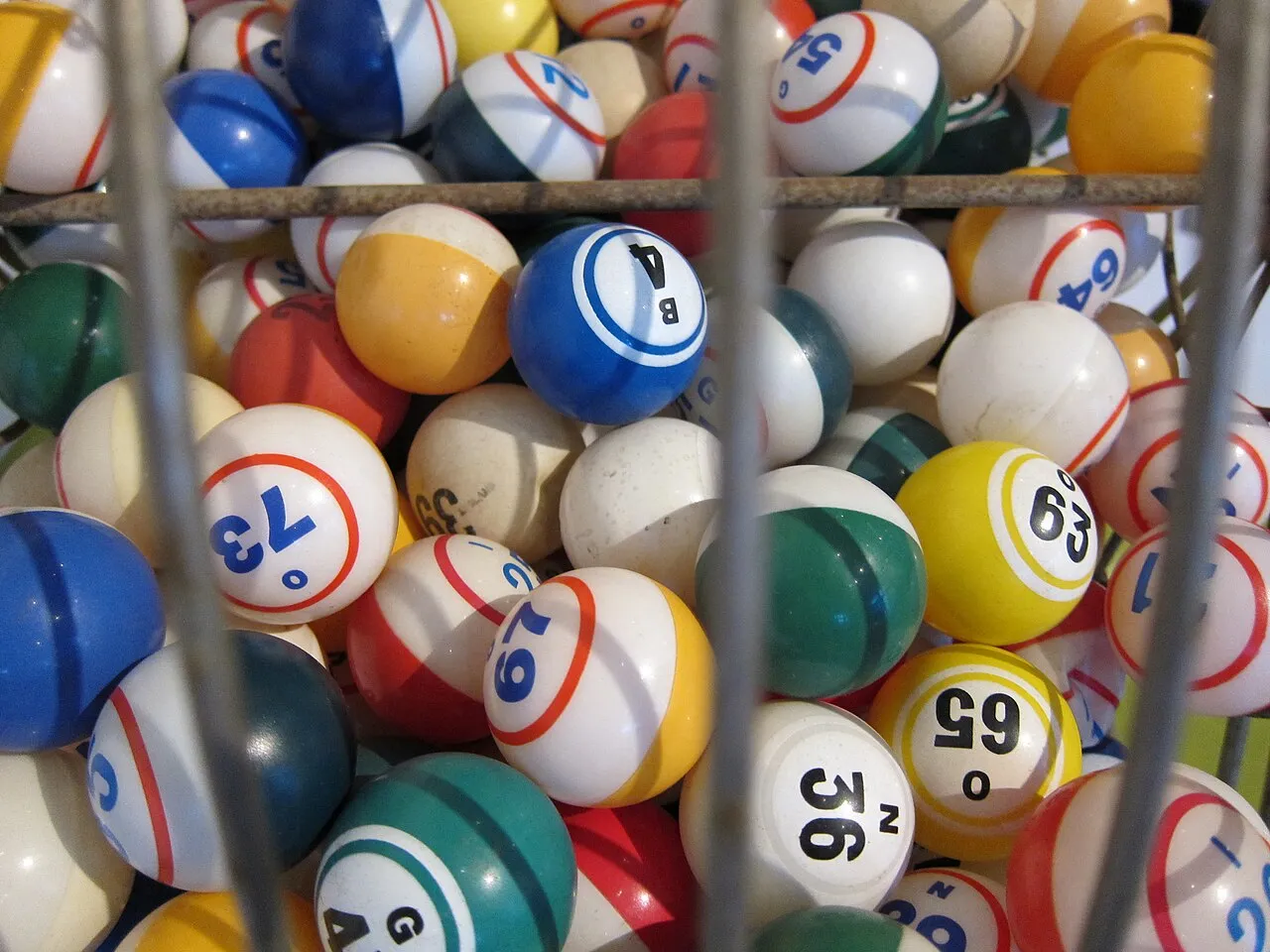
Every giant Powerball jackpot begins life as a modest one. The game starts at $20 million, a sum that barely makes local news, and then, draw after draw, something fails to happen: nobody wins. By Wednesday, October 14, that failure had compounded into an estimated $562 million prize, with the next draw on Saturday, October 17. Here is the simple machinery that builds a number like that.
Step one: the rollover
To win the jackpot, a ticket must match all five white balls drawn from 69, plus the red Powerball drawn from 26. The combined odds are 1 in 292,201,338 per ticket. With odds like those, most draws end without a jackpot winner, even when tens of millions of tickets are sold. When that happens, the unpaid prize money rolls forward into the next draw. That is the rollover, and it is the engine of every record run. The jackpot is not a gift from the lottery; it is the accumulated, unclaimed money of the draws before it.
Step two: the fever effect
As the headline number grows, ticket sales grow with it. Casual players who ignore a $40 million prize queue up for a $500 million one. More sales mean more money flowing into the prize pool, which means the jackpot climbs faster with each rollover, which generates more headlines and still more sales. Economists call this a feedback loop, and by the time a jackpot passes half a billion dollars it is operating at full strength. Retailers report lines at counters in the final hours before a big draw, and state lotteries publish updates almost hourly.
Where the $2 actually goes
A Powerball ticket costs $2, or $3 with the Power Play option that multiplies non-jackpot prizes. Roughly half of sales revenue typically flows to prizes, with the rest divided between retailer commissions, operating costs and the good causes each state lottery supports, from education funds to senior programmes. The jackpot’s cash pool is what accumulates; the advertised $562 million is the value of that pool if a winner takes it as a 30-year annuity with payments rising 5 per cent annually.
What history says happens next
Long runs always end, usually abruptly: a single ticket, bought in minutes at a petrol station or grocery store, matches everything, as players can verify on powerball.com. Then the machine resets to $20 million and starts again. Sometimes two or three tickets split the prize, a reminder that even in victory the maths keeps a sense of humour.
Why nobody wins for weeks, then somebody always does
New players often ask why, if so many tickets are sold, the jackpot survives so many draws. The answer is coverage. Even a very large sales week sells only a fraction of the 292 million combinations, and tickets cluster heavily on popular numbers, birthdays, patterns and sequences, leaving vast areas of the number field unsold. Statistically, long droughts are the expected behaviour of the game, not a mystery. But probability has a second face: with draws twice a week and sales compounding, the chance that at least one ticket somewhere eventually lands on the drawn combination rises steadily. Every record run in Powerball history has ended the same way, suddenly, on an ordinary evening, with a ticket nobody can quite believe is real until the lottery confirms it.
Understanding how money compounds is useful far beyond lotteries, as anyone reading about what a $50K branding budget actually gets you will recognise. The jackpot story is really a story about accumulation: small sums, pooled at enormous scale, over just enough time. Enjoy the spectacle, buy a ticket if it amuses you, and let the rollover, not your wallet, do the heavy lifting.
