

If money sent to tt88.com does not appear as expected, the safest response is to collect evidence and check the transaction calmly instead of immediately sending a second payment. An online deposit is easy to think of as a button click, but from a personal-finance perspective it is a real transfer with a timestamp, payment route, reference number, and opportunity cost. Treating it that way leads to better decisions.
The most important control happens before the transaction: deciding what amount fits within an entertainment budget. Once that limit is set, payment-method choice, fees, processing time, and record keeping become practical details rather than emotional decisions. The same record is useful when reviewing monthly spending.
The goal is not to recommend a payment method or spending level. It is to explain the controls that make an online payment easier to understand: a fixed budget, a suitable payment route, a clear record, and a patient response when the transaction does not update immediately. This helps keep the original budget decision intact.
Keep transaction references and screenshots
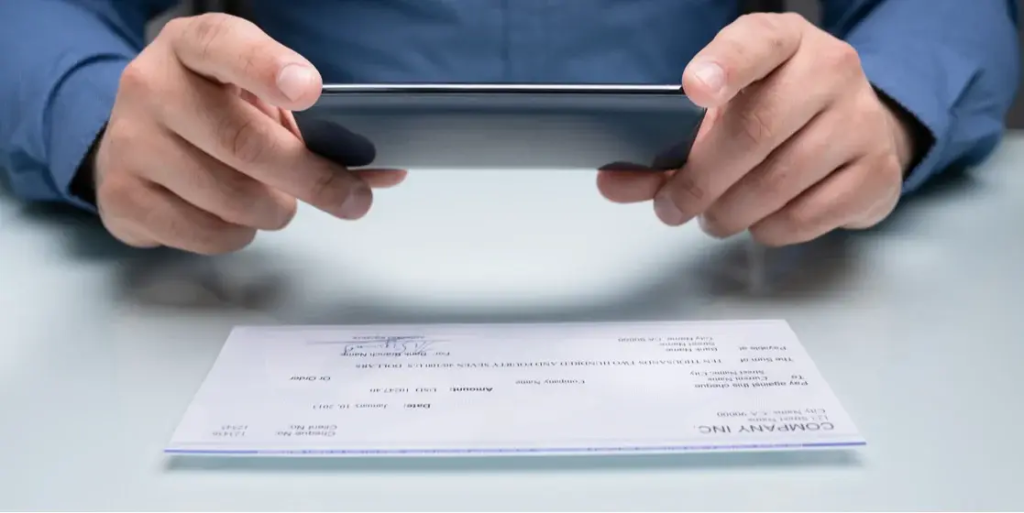
Good payment records reduce confusion when a transaction needs to be traced. Keep the date, amount, payment method, reference number, and a screenshot of the final status page when appropriate. Do not store full card numbers or sensitive security codes in ordinary notes. A simple transaction log makes it easier to distinguish a delayed payment from a duplicate, refund, or unrelated bank charge. It also separates payment troubleshooting from a new spending decision.
It also gives support a precise starting point instead of a vague description such as “my money is missing.” This makes later support conversations much more specific.
Fees, limits, and currency conversion
A deposit amount is not always the same as the final amount charged. Payment-provider fees, currency conversion, minimum and maximum transaction limits, or bank charges can change the total. Review the confirmation screen before approving the transaction and keep a record of any fee shown there. That pause can prevent an accidental duplicate charge.
Clear evidence is more useful than another payment attempt. If the account uses a different currency from the payment method, exchange rates can add another layer of cost that is easy to overlook.
What a failed deposit can mean
That keeps the transaction trail easier to understand. A failed deposit does not necessarily mean money has been permanently lost. The bank may have declined the payment, the payment provider may have timed out, or the platform may have rejected a mismatch in account details. Error messages and reference numbers are more useful to support than repeated attempts with different amounts.
Why a Second Deposit Can Make Things Worse
This makes later support conversations much more specific. Duplicate deposits often begin with impatience during a slow or unclear status update. If the first payment has a reference number, treat it as an active transaction until the bank or service confirms otherwise. Refreshing the page is different from submitting a second payment; account holders should be careful not to repeat the final confirmation step.
- When in doubt, wait for a clear result or contact support with the original transaction details.
Security checks around payment pages
Clear evidence is more useful than another payment attempt. Payment pages deserve the same scrutiny as login pages. Confirm the domain, avoid links from unsolicited messages, and do not send card details or security codes through chat. Use a trusted device with current software and avoid saving payment information on shared computers.
This helps keep the original budget decision intact. If a payment flow suddenly redirects to an unfamiliar site, stop and verify whether the provider is expected before entering sensitive information.
Use deposits as part of a fixed budget
Deposit controls work best when they are part of a broader spending plan. A useful limit is one that does not change because of wins, losses, or a desire to recover previous spending. If staying within the limit becomes difficult, stepping away is more effective than repeatedly adjusting the budget upward. This helps keep the original budget decision intact.
Decide the amount before choosing the method
A deposit decision should start with a fixed spending amount that fits comfortably inside the user’s entertainment budget. The safest number is decided before bonuses, time pressure, or recent results influence judgment. Funds needed for rent, food, debt payments, savings, or emergencies should never be treated as available entertainment money. This makes later support conversations much more specific.
Writing the limit down can make it easier to recognize when a planned transaction is turning into an impulsive one. The same record is useful when reviewing monthly spending.
Compare payment methods by more than speed
This helps keep the original budget decision intact. Payment methods differ in speed, fees, dispute processes, privacy, and the quality of the transaction record they create. A bank card may be familiar, while an e-wallet may separate entertainment spending from the main bank account; neither choice is automatically best for everyone. Account holders should consider whether the method supports withdrawals, whether currency conversion applies, and how easily a transaction can be identified later.
Convenience matters, but record quality and account control matter too.
Common Misunderstandings
If the balance does not update, send the payment again. A duplicate attempt can create a second charge while the first is still processing.
The fastest payment method is always best. Fees, records, limits, and withdrawal compatibility also matter.
A screenshot is enough evidence. Reference numbers and bank or provider status are usually more useful together.
Frequently Asked Questions
What should I do if a deposit is pending?
That keeps the transaction trail easier to understand. Check the bank or payment-provider status, keep the reference number, and avoid sending a duplicate transaction while the first remains unresolved.
Why can the charged amount differ from the deposit amount?
Fees or currency conversion may change the final total, depending on the payment route.
What payment details should I save?
That pause can prevent an accidental duplicate charge. Keep the amount, date, reference number, method, and status, but do not store sensitive card security data in ordinary notes.
Pending Does Not Mean Lost
A transaction can remain pending while the payment provider, bank, or receiving system confirms the request. Online payments do not always move instantly from “sent” to “available.” Check the status, timestamp, reference number, and payment-provider record before taking another action. Sending another payment before the first one is resolved can create duplicate charges and make support work harder. If the service publishes a normal processing window, use that as the first point of comparison.
Separate payment troubleshooting from spending decisions
First resolve the status of the existing transaction using the bank, payment provider, account history, and reference number. Only after the first payment has a clear final state should a new spending decision be considered. This simple separation prevents many duplicate charges and helps keep the budget intact. It also separates payment troubleshooting from a new spending decision. A delayed payment can create an emotional urge to “fix” the problem by sending another transaction. That mixes two different decisions: whether the original payment completed and whether the user wants to spend more money. Keep them separate.
Why transaction history matters over time
The record does not need to be complicated; a spreadsheet or budgeting app can be enough. The important part is that the numbers are reviewed together rather than remembered selectively. The same record is useful when reviewing monthly spending. A single deposit rarely tells the whole story of online spending. A monthly record of deposits, withdrawals, fees, and reversals provides a far more realistic picture. It can reveal whether spending is rising, whether several small payments are adding up, or whether fees are larger than expected.
The Bottom Line
A payment process should feel predictable rather than urgent. Fixed limits, careful confirmation, and patient troubleshooting are simple habits, but together they reduce financial mistakes and make online transactions easier to understand. The same record is useful when reviewing monthly spending.
Payment convenience should never remove the pause between deciding to spend and confirming the transaction. A fixed budget is meaningful only when that pause is protected.
Before making any payment, review your budget and the transaction details; if you proceed, the site’s nạp tiền tt88 page should be used only after the address and payment information have been checked carefully. That keeps the transaction trail easier to understand. That helps trace a delayed payment.
When spending no longer feels controlled or recreational, stop the transaction and reassess the budget before continuing.
