

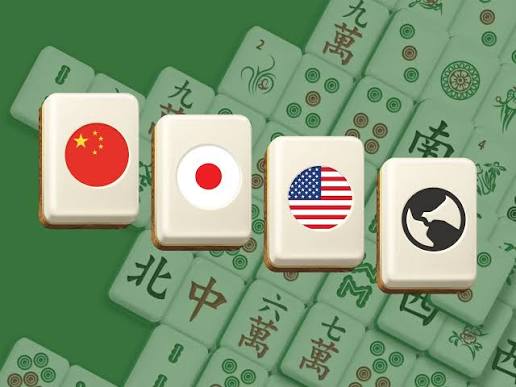
Mahjong-inspired digital games have developed into a distinct category that combines traditional visual references with contemporary game mechanics. Although their appearance may resemble classic Mahjong through decorated tiles, Chinese architectural motifs, dragons, lanterns, and ornamental patterns, their underlying structures can be considerably different. Modern versions often introduce automated symbol arrangements, animated transitions, special features, and interactive interfaces designed for digital platforms.
One important aspect to examine is the relationship between ordinary symbols and special symbols. Standard symbols generally contribute to regular combinations according to the rules established by a particular title. Special symbols, meanwhile, can perform additional functions such as activating bonus features, initiating alternative rounds, or modifying the value of certain combinations. Their exact behavior depends entirely on the game’s internal rules and should be explained in the accompanying information panel or paytable.
Visual presentation plays an important role in communicating these mechanics. Special symbols are often designed with distinctive borders, colors, illustrations, or animation effects so they can be recognized quickly. When a particular feature is activated, the interface may display a short transition, highlight relevant symbols, or introduce additional visual effects. These elements provide immediate feedback and help separate ordinary gameplay events from feature-related events.
A title described as Situs Mahjong may contain several layers of information that users need to understand before interacting with its mechanics. The paytable is usually the most useful reference because it explains symbol values, combination requirements, special functions, and feature conditions. Reading this information can clarify whether a particular symbol contributes to a normal combination or has a separate triggering function.
Another important component is the arrangement of symbols. Different games can use different grid dimensions, symbol replacement systems, or matching rules. Some may remove matching groups and allow new symbols to occupy the empty positions, while others use predetermined arrangements or alternative combination systems. These structural differences directly influence how individual rounds progress and how special features are activated.
Animation is frequently used to reinforce changes within the game area. A matching group may disappear through a short visual sequence before replacement symbols appear. Special symbols can receive additional animation when they perform a particular function. While these effects contribute to the overall presentation, they also serve an informational purpose by showing users what has changed between one stage and another.
Sound design provides another layer of feedback. Distinct audio cues may indicate symbol removal, combination formation, feature activation, or transitions. Developers often combine traditional Asian-inspired musical elements with modern digital sound effects. Proper synchronization between audio and visual events helps make complex sequences easier to follow.
Mobile compatibility has also become an important consideration. Smartphones and tablets require interfaces that remain readable on smaller screens. Developers commonly use larger symbols, simplified navigation menus, responsive layouts, and touch-friendly controls. Information such as paytables and feature descriptions may be organized into expandable sections so that the main game area does not become overcrowded.
The expression Slot Mahjong Gacor may appear in online discussions when people describe certain Mahjong-themed digital games, but such terminology does not itself explain how a game’s mechanics operate. A more useful approach is to examine measurable characteristics such as symbol functions, combination rules, feature triggers, interface behavior, and the information provided by the game’s official rules.
Game interfaces may also include counters, status indicators, and feature notifications. These elements help users monitor changes occurring during a round without requiring them to memorize every rule. Clear typography and consistent placement are particularly important because rapidly changing symbols and animations can otherwise make information difficult to interpret.
Underlying systems can vary substantially between individual Mahjong-themed games. Differences may occur in symbol hierarchies, combination requirements, bonus conditions, animation sequences, and interface structures. Consequently, understanding the specific rules of each title remains essential when evaluating how its features function and how traditional Mahjong concepts have been adapted into modern digital game design.
