

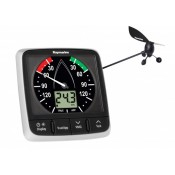
Modern boats depend on electrical systems for a wide range of essential and convenient functions. From navigation and communication to lighting, battery charging, pumps, and onboard appliances, reliable power is an important part of the boating experience. Electrical equipment helps connect, control, monitor, and protect these systems, making it an essential category of marine hardware.
The Role of Electrical Equipment on Boats
Marine electrical equipment includes many different products designed to support the electrical needs of a vessel. Batteries, chargers, switches, circuit breakers, distribution panels, cables, connectors, inverters, gauges, and electrical controls can all form part of a boat's electrical system.
Having suitable equipment allows boat owners to manage electrical power efficiently and operate different onboard systems with greater convenience. Properly selected components can also help create an organized and dependable installation.
Marine-Grade Construction
The marine environment presents unique challenges for electrical components. Boats can be exposed to moisture, saltwater, humidity, vibration, sunlight, and changing temperatures. These conditions can contribute to corrosion and premature wear if unsuitable products are used.
Quality electrical equipment designed for marine applications is developed with these environmental conditions in mind. Corrosion-resistant materials, protective housings, sealed connections, and durable insulation can all contribute to longer-lasting performance.
Batteries and Charging Systems
Batteries are a central part of many boat electrical systems. They provide power when engines or generators are not supplying electricity and support essential equipment such as lights, pumps, electronics, and communication devices.
Battery chargers help maintain battery capacity by supplying controlled electrical power. Selecting a charger that matches the battery type and system requirements is important for efficient operation.
Battery switches and appropriate circuit protection can also help boat owners manage power distribution and isolate circuits when necessary.
Electrical Controls and Distribution
Electrical distribution panels provide a convenient way to organize and control multiple circuits. Switches allow users to operate individual systems, while fuses and circuit breakers provide appropriate protection for electrical circuits.
Well-organized electrical equipment can make the helm or control area easier to understand and maintain. Clear labeling and logical circuit arrangement are especially useful when multiple systems are installed.
Navigation and Communication Equipment
Navigation and communication systems are important components of modern boating. Depending on the vessel, electrical equipment may include chartplotters, depth sounders, marine radios, GPS systems, radar, and other electronic instruments.
These devices depend on stable electrical power and suitable wiring. Proper installation can help reduce connection issues and ensure that important information remains accessible during a journey.
Pumps, Lighting, and Onboard Appliances
Electrical power is also used for practical everyday functions. Bilge pumps help manage unwanted water, while freshwater pumps support onboard water systems. Interior and exterior lighting improves visibility and convenience.
Larger vessels may also use electrical equipment to operate refrigerators, cooking appliances, ventilation systems, entertainment systems, and charging outlets. Each system should be supported by appropriately rated components.
Installation and Maintenance
Correct installation plays an important role in electrical reliability. Cables should be properly sized for their intended loads, connections should be secure, and electrical components should be positioned where they are suitably protected from moisture and physical damage.
Routine inspection is equally valuable. Boat owners should check for corrosion, damaged insulation, loose terminals, overheating, and signs of wear. Cleaning and protecting connections where appropriate can help extend component life.
Choosing the Right Electrical Equipment
When upgrading or replacing marine electrical equipment, compatibility should be considered carefully. Voltage, current requirements, battery type, circuit capacity, physical dimensions, environmental exposure, and manufacturer specifications can all affect product selection.
Planning an electrical system before installation can also help prevent unnecessary complexity and make future maintenance easier.
Conclusion
Electrical equipment is fundamental to the performance, convenience, and functionality of modern boats. From batteries and chargers to lighting, pumps, navigation systems, distribution panels, and protective devices, every component contributes to an effective marine electrical system.
By choosing suitable marine-grade products, installing them correctly, and maintaining them regularly, boat owners can support reliable electrical performance throughout the boating season. Quality electrical equipment is a practical investment for creating a well-organized, efficient, and dependable vessel.
