

For founders, CXOs, and finance leaders running high-growth startups in India, working capital directly impacts the ability to sustain operations, meet obligations, and fund expansion. In a market where Indian startups raised about $5.7 billion in the first half of 2025, reflecting continued investor activity despite fluctuations, access to suitable capital solutions remains a core operational priority.
Working capital gaps often arise due to delayed receivables, inventory cycles, or upfront operational expenses. Choosing the right financing method helps maintain liquidity without slowing growth or giving up ownership. The Recur capital platform is one example that startups explore for structured, data-driven access to debt financing compared to traditional lending processes.
This blog outlines practical working capital solutions tailored for Indian startups across SaaS, D2C, HealthTech, and similar sectors, with a focus on real-world applicability from a decision-maker’s perspective.
What Working Capital Means for Growth-Stage Startups
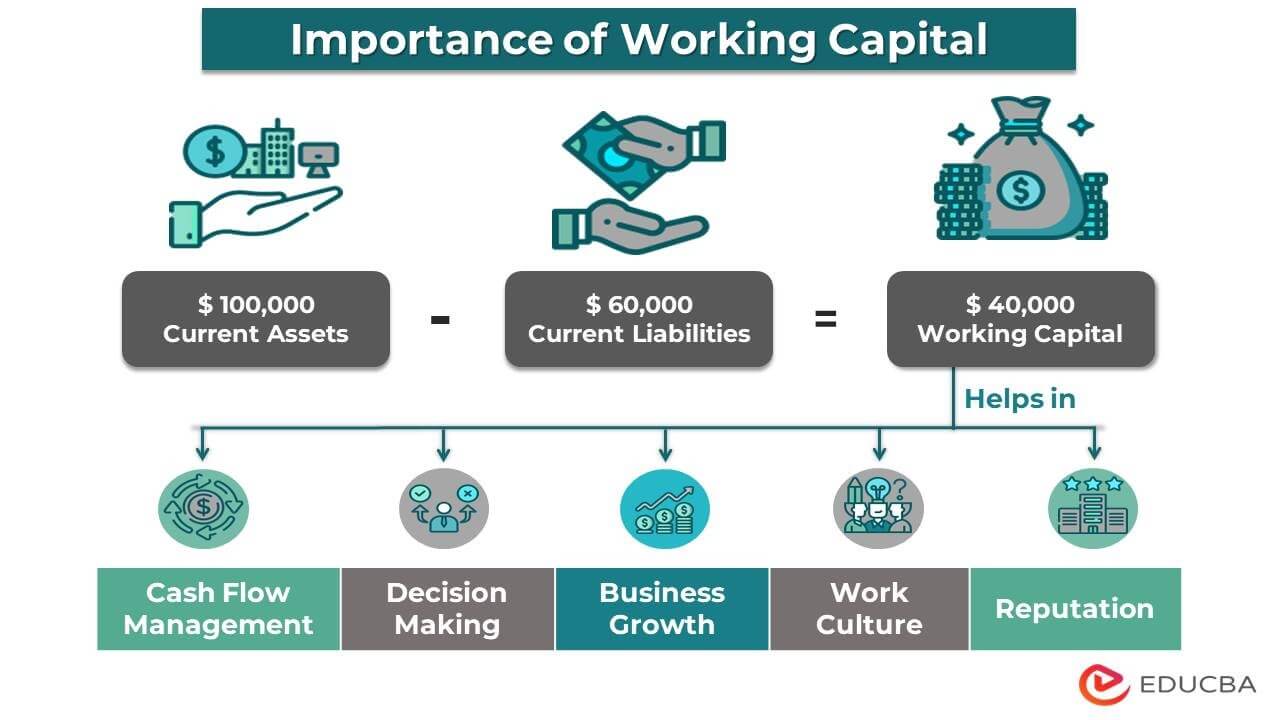
Working capital represents the difference between current assets and current liabilities. For startups, it reflects the liquidity available to meet short-term obligations.
Common working capital challenges include:
- Delayed customer payments in B2B contracts
- Inventory buildup in D2C and manufacturing models
- Rapid hiring and marketing expenses ahead of revenue realisation
- Seasonal fluctuations in demand
A shortfall can disrupt vendor payments, delay product delivery, and affect overall business continuity. Structured working capital solutions help bridge these gaps.
Top 9 Working Capital Solutions for Growing Businesses
For growing businesses in India, managing liquidity is essential to keep operations running smoothly and support expansion. Working capital solutions help balance receivables, payables, and operating costs without creating cash flow pressure.
The following options outline practical ways for decision-makers to evaluate and select suitable financing approaches:
1. Traditional Bank Overdrafts and Cash Credit
A bank overdraft or cash credit facility allows businesses to withdraw funds beyond their account balance up to an approved limit. It is commonly used to manage short-term liquidity needs and operational expenses.
Key characteristics:
- Interest is charged only on the utilised amount
- Limits are based on financial history and collateral
- Typically renewed periodically
Best suited for:
- Startups with stable cash flows
- Businesses with established banking relationships
- Companies with predictable revenue cycles
2. Invoice Financing
Invoice financing allows businesses to convert unpaid invoices into immediate cash by selling them to a financier at a discount. It helps unlock funds tied in receivables.
Process:
- Submit outstanding invoices
- Receive a percentage of the invoice value upfront
- Final settlement occurs after customer payment
Advantages:
- Improves liquidity tied to receivables
- No equity dilution
- Short processing time
Use case: B2B startups operating on credit terms of 30 to 90 days
3. Supply Chain Financing
Supply chain financing involves a lender paying your suppliers on your behalf, with you repaying the lender at a later date. It helps optimise payables without straining vendor relationships.
Key benefits:
- Improves supplier relationships
- Extends payable cycles
- Helps maintain consistent supply chains
Best suited for:
- Businesses with large vendor networks
- Companies with predictable procurement cycles
- Operations-heavy or manufacturing-led startups
4. Inventory Financing
Inventory financing provides capital against stock held as collateral. It is commonly used to manage working capital tied up in unsold goods.
How it works:
- Lenders evaluate inventory value
- Funds are extended based on a percentage of that value
Advantages:
- Converts inventory into usable liquidity
- Supports seasonal demand cycles
Best suited for:
- D2C brands
- Retail and distribution-led businesses
- Seasonal product-based companies
5. Short-Term Business Loans
Short-term business loans provide a lump sum of capital that is repaid within a defined period, typically under 12 months. These are used for immediate and planned financial needs.
Use cases:
- Working capital gaps
- Marketing campaigns
- Short-term operational expenses
Considerations:
- Fixed repayment schedules
- Higher interest compared to secured long-term loans
- Requires disciplined cash flow planning
Best suited for:
- Businesses with clear repayment visibility
- Planned, time-bound capital requirements
6. Trade Credit
Trade credit is an arrangement in which suppliers allow delayed payment for goods or services. It is one of the most accessible forms of short-term financing.
Features:
- Payment terms such as Net 30, Net 60, or Net 90
- No direct financing cost if payments are timely
- Based on trust and transaction history
Best suited for:
- Early-stage startups
- Businesses building supplier relationships
- Companies with recurring procurement needs
7. Revenue-Based Financing
Revenue-based financing allows startups to receive capital in exchange for a fixed percentage of future revenue until a predefined repayment multiple is achieved.
Key points:
- Repayments fluctuate with revenue
- No equity dilution
- Aligns with recurring revenue models
Common use case:
- SaaS startups with predictable monthly recurring revenue
- Subscription-based digital businesses
- Companies with stable and trackable revenue streams
8. Debt Marketplace Model for Working Capital
Modern financing access in India includes debt marketplaces that connect startups with multiple institutional lenders through a single application process. This model simplifies access to multiple funding options without requiring individual contact with lenders.
Recur Club Debt Marketplace
Recur Club operates as a debt marketplace enabling startups and growth-stage businesses in India to access non-dilutive capital from a network of institutional lenders.
How it works:
- Businesses submit a single application
- Financial and accounting data are evaluated
- The Recur capital platform matches companies with tailored funding offers from its lender network
- A dedicated capital expert assists in evaluating and structuring funding options
Key aspects:
- Access to a network of 150+ institutional lenders, including Tata Capital, HSBC, Aditya Birla Capital, and others
- Structured debt solutions such as working capital loans, vendor financing, and revenue-based financing
- Focus on non-dilutive funding, meaning no equity is given up
- Applicable across sectors such as SaaS, D2C, HealthTech, CleanTech, EV, and staffing
Best suited for:
- Growth-stage startups seeking multiple financing options
- Founders and finance leaders evaluating structured debt solutions
- Businesses looking to compare offers from multiple lenders through a single process
9. Venture Debt as Working Capital Support
Venture debt is a financing option available to startups that have already raised equity funding. It complements venture capital by providing additional capital without immediate dilution.
Characteristics:
- Provides additional capital without immediate equity dilution
- Typically includes covenants and warrants
- Used to extend the runway between funding rounds
Best suited for:
- VC-backed startups
- Businesses with strong growth metrics
- Companies preparing for the next equity round
Venture debt can be used to extend runway and support growth without immediate equity dilution, making it a practical option for VC-backed startups.
Why is Cash Flow Forecasting Important for Working Capital?
Working capital decisions become more effective when supported by structured financial planning and consistent forecasting. These practices help founders and finance leaders anticipate liquidity gaps, plan capital usage, and align financial decisions with business growth.
Practices include:
- Rolling cash flow forecasts on a weekly or monthly basis
- Scenario-based planning across different revenue outcomes
- Tracking receivables, payables, and inventory cycles
Outcome:
- Clear visibility into upcoming liquidity gaps
- Reduced reliance on emergency or short-term funding
- Better alignment between capital allocation and business priorities
Strong cash flow management enables businesses to stay prepared, maintain stability, and choose the right financing options at the right time.
How to Choose the Right Working Capital Solution
Different financing options suit different business models, revenue patterns, and growth stages. Evaluating factors such as speed, cost, dilution, and suitability helps decision-makers select the most appropriate option for their specific requirements.
| Solution | Speed | Cost | Dilution | Suitable For |
| Bank Overdraft | Medium | Low to Medium | No | Stable businesses |
| Invoice Financing | Fast | Medium | No | B2B startups |
| Supply Chain Financing | Medium | Low to Medium | No | Procurement-heavy businesses |
| Inventory Financing | Medium | Medium | No | D2C and retail |
| Short-Term Loans | Medium | Medium to High | No | Planned expenses |
| Trade Credit | Fast | None | No | Supplier relationships |
| Revenue-Based Financing | Fast | Medium | No | Recurring revenue models |
| Debt Marketplace (Recur Club) | Fast | Varies | No | Growth-stage startups |
| Venture Debt | Medium | Medium | Limited | VC-backed startups |
Practical Scenario:
Consider a SaaS company generating recurring revenue but facing a gap due to delayed enterprise payments. Instead of waiting for receivables to clear, the company can evaluate invoice financing or structured debt options through a debt marketplace like Recur Club. This allows access to working capital while continuing operations such as hiring, product development, and customer acquisition.
When Certain Options May Not Be Suitable: Some financing options may not align well with a business’s cash flow patterns or growth stage. High-cost short-term loans can create repayment pressure, slow inventory turnover can reduce the effectiveness of inventory financing, and venture debt is generally limited to startups with institutional equity backing. The suitability of any option depends on revenue stability, asset base, and the ability to service repayments.
How to Build a Working Capital Strategy: 5 Key Steps Explained
A structured approach helps founders and finance leaders manage liquidity with clarity and control. Instead of reacting to cash flow gaps, businesses can plan ahead and align financing decisions with operational and growth needs.
Key steps include:
- Mapping cash inflows and outflows: Understanding all sources and uses of cash helps identify timing patterns and dependencies across operations.
- Maintaining rolling forecasts: Updating cash flow projections weekly or monthly helps anticipate future liquidity positions and plan accordingly.
- Identifying timing gaps between receivables and payables: Comparing when money is expected to come in versus when obligations are due highlights potential shortfalls early.
- Evaluating financing options based on cost and flexibility: Selecting the right funding method requires comparing interest, repayment terms, and adaptability to business cycles.
- Aligning capital usage with business milestones: Capital should be planned in line with growth activities such as hiring, expansion, product development, or market entry.
A clear working capital strategy improves financial visibility, supports better decision-making, and ensures that capital is deployed in line with business priorities.
Conclusion
Working capital plays a critical role in sustaining day-to-day operations and enabling growth for startups in India. With a wide range of financing options available, including traditional bank credit and modern debt marketplaces such as the Recur capital platform, founders and finance leaders can choose solutions that fit their cash flow requirements and business model.
A well-planned working capital strategy supports smoother vendor management, reduces financial pressure, and allows companies to pursue expansion without relying excessively on equity dilution.
