

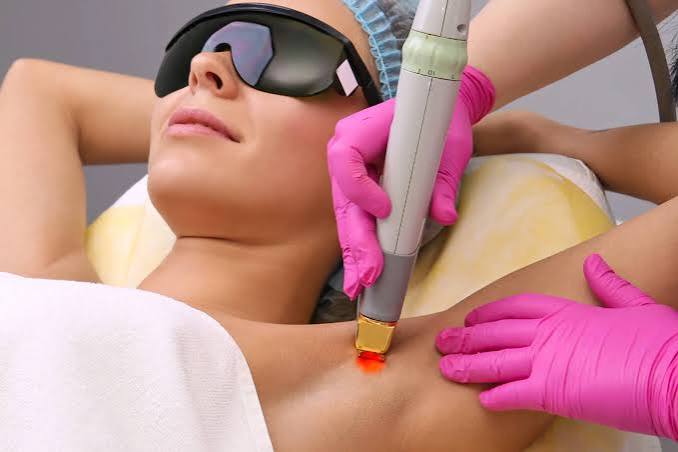
Laser treatment costs are not fixed because laser treatment itself is not a fixed service. A patient seeking hair reduction, acne scar improvement, pigmentation care, tattoo removal, or skin rejuvenation may all be told they need “laser”, but the planning, machine type, session count, treatment area, risk level, and aftercare can be completely different. That is why aesthetic laser treatment options should be understood in terms of the skin or hair concern being treated, not only by a clinic’s price list.
A good laser plan starts with assessment. The dermatologist needs to know what concern is being treated, how severe it is, what skin tone the patient has, whether the condition is active, and what result is realistic. Without that, cost comparisons can be misleading.
Laser Cost Depends First on the Concern
The biggest cost factor is the reason for treatment.
Different concerns need different laser approaches, such as:
- Laser hair reduction
- Acne scar treatment
- Pigmentation treatment
- Skin resurfacing
- Tattoo removal
- Facial rejuvenation
- Vascular laser treatment
- Stretch mark improvement
- Open pore or texture correction
Each concern needs a different plan. Treating coarse underarm hair is not the same as treating deep acne scars. Treating mild tanning is not the same as treating resistant pigmentation. Treating a small tattoo is not the same as treating full-face rejuvenation.
That is why one clinic cannot give one universal laser price that applies to all cases.
Hair Reduction Pricing Depends on Area and Hair Type
Laser hair reduction is usually priced by treatment area.
Smaller areas may include:
- Upper lip
- Chin
- Side locks
- Underarms
- Bikini line
Larger areas may include:
- Full arms
- Full legs
- Back
- Chest
- Full face
- Full body
Larger areas take more time and require more laser coverage, so the cost is higher.
Hair type also matters. Coarse, dark hair often responds differently from fine hair. Hormonal facial hair may need more sessions or maintenance. If the patient has PCOS or other hormonal triggers, the dermatologist may discuss medical management along with laser sessions.
That changes the full treatment cost over time.
Pigmentation Treatment Requires More Caution
Pigmentation laser costs vary because pigmentation itself has many forms.
A patient may have:
- Acne marks
- Melasma
- Freckles
- Sun spots
- Uneven tone
- Post-inflammatory pigmentation
- Frictional darkening
- Dermal pigmentation
Some pigmentation can be treated with topical care or peels before lasers are considered. Some require very conservative laser settings. Some may not be ideal for laser at all.
Indian skin can be prone to pigmentation, so the dermatologist may need to take a slower, safer approach.
That may involve:
- Pre-treatment skincare
- Sunscreen correction
- Patch testing
- Lower laser settings
- Multiple gentle sessions
- Post-care creams
- Maintenance treatment
This makes pigmentation treatment cost different from a quick cosmetic session.
Acne Scar Treatment Is Usually More Intensive
Acne scar treatment often costs more because it is correcting structural changes in the skin, not only colour.
Acne scars may include:
- Ice-pick scars
- Rolling scars
- Boxcar scars
- Mixed scars
- Textural irregularity
- Enlarged pores
- Depressed scars
Laser resurfacing or fractional laser treatment may be used in selected cases to support collagen remodelling. But scar treatment often requires multiple sessions and may be combined with subcision, microneedling, PRP, peels, or active acne control.
The cost depends on:
- Scar depth
- Scar type
- Full-face vs targeted treatment
- Number of sessions
- Recovery time
- Combination procedures
- Doctor involvement
- Follow-up care
This is why acne scar laser treatment should not be compared with basic laser hair reduction pricing.
Skin Rejuvenation May Be Light or Intensive
Some patients seek laser for skin rejuvenation rather than for one specific problem.
Their concerns may include:
- Dullness
- Uneven texture
- Fine lines
- Rough skin
- Mild pigmentation
- Enlarged pores
- Loss of freshness
- Early ageing signs
Laser rejuvenation can be planned lightly or more intensively, depending on the skin. A gentle maintenance laser session may cost less than a stronger resurfacing treatment with downtime.
Patients should ask whether the recommended laser is meant for:
- Glow
- Texture
- Collagen support
- Pigmentation
- Pores
- Fine lines
- Scars
- Overall rejuvenation
The more corrective the goal, the more sessions, intensity, and aftercare may be involved.
Tattoo Removal Is a Separate Pricing Category
Tattoo removal laser pricing depends on the tattoo, not only the body area.
Factors include:
- Tattoo size
- Ink colour
- Ink depth
- Professional or amateur tattoo
- Skin tone
- Tattoo age
- Number of sessions needed
- Location
- Previous removal attempts
Black ink may respond differently from coloured ink. Some colours are harder to clear. Dense professional tattoos may take more sessions than lighter tattoos.
Because tattoo removal often requires a longer plan, patients should ask for an estimated treatment journey, not only the price of one session.
Number of Sessions Changes the Real Cost
Many laser treatments need multiple sittings.
A patient should not focus only on per-session cost. The total cost depends on how many sessions are needed and whether maintenance is expected.
For example:
- Laser hair reduction may need several sessions plus occasional maintenance.
- Acne scar treatment may need staged sessions over months.
- Pigmentation may require gradual treatment and strict aftercare.
- Tattoo removal may take many sessions.
- Rejuvenation may need repeat treatments depending on the goal.
A lower per-session price may not be cheaper if the patient needs many more sessions.
The better question is: What is the expected total plan?
Skin Tone Can Influence Treatment Cost
Skin tone affects laser safety.
In darker or pigmentation-prone skin, dermatologists may need to use more careful settings, longer gaps, patch testing, or additional skin preparation. This is not about making treatment complicated. It is about reducing the risk of burns, darkening, light patches, or irritation.
For Indian skin, this caution matters.
A careful plan may involve:
- Pre-care
- Sunscreen routine
- Test spots
- Gentle settings
- Post-care
- More follow-up
- Slower progression
This can influence cost, but it also improves safety.
Active Skin Problems May Need Treatment First
Sometimes the patient cannot start the laser immediately.
The laser may need to wait if there is:
- Active acne
- Skin infection
- Eczema flare
- Damaged skin barrier
- Fresh tanning
- Severe dandruff near the treatment area
- Open wounds
- Recent harsh product use
- Uncontrolled melasma
- Irritation from previous treatments
In these cases, the dermatologist may first treat the underlying problem. That may add cost before the laser starts, but it can prevent complications.
Treating unstable skin with a laser can worsen the condition.
Technology and Machine Type Matter
Laser machines differ in technology, maintenance cost, safety profile, and treatment use.
Clinics that use advanced laser platforms may charge differently because the equipment is expensive to purchase, maintain, calibrate, and operate.
Patients do not need to know every technical detail, but they should ask:
- What laser is being used?
- Why is it suitable for my concern?
- Is it safe for my skin tone?
- What risks should I know?
- How many sessions are expected?
A good clinic should be able to explain this in simple language.
Doctor-Led Planning Adds Value
Laser treatment should not be treated as a salon add-on.
The dermatologist’s role is to decide:
- Whether a laser is needed
- Which laser suits the concern
- Whether the patient is a good candidate
- What settings are safe
- Whether another condition must be treated first
- How many sessions are realistic
- What aftercare is required
- When to stop or change the plan
This medical judgement affects safety and outcome.
A low-cost laser package without proper assessment may cost more later if it causes pigmentation, burns, or poor results.
Aftercare Can Affect the Final Cost
Some treatments require post-procedure care.
This may include:
- Sunscreen
- Barrier repair creams
- Gentle cleansers
- Prescription creams
- Healing ointments
- Follow-up visits
- Temporary product restrictions
More intensive procedures may need more aftercare. That can increase the total cost, but it is part of safe treatment.
Patients should ask whether aftercare products and follow-ups are included or separate.
Maintenance Should Be Discussed Before Starting
Some laser treatments have maintenance needs.
Laser hair reduction may need touch-ups. Pigmentation may return with sun exposure or hormonal triggers. Skin rejuvenation may need repeat sessions. Melasma may need long-term maintenance.
Patients should ask:
- Will the result need maintenance?
- How often?
- What happens if I stop?
- Are maintenance sessions cheaper?
- What skincare should continue?
- What triggers recurrence?
This helps avoid disappointment later.
Cost Varies Because Results Vary by Patient
No two patients respond exactly the same.
Results depend on:
- Skin type
- Hair type
- Diagnosis
- Severity
- Age
- Hormonal factors
- Sun exposure
- Aftercare
- Treatment consistency
- Medical history
- Previous treatments
A clinic that promises the same result for everyone is oversimplifying.
Laser pricing should be tied to a personalised plan because the treatment journey is not identical for every patient.
Questions to Ask Before Comparing Prices
Before comparing laser costs between clinics, patients should ask:
- Are both clinics treating the same concern?
- Are they using the same technology?
- Is a dermatologist involved?
- How many sessions are included?
- Are follow-ups included?
- Is aftercare included?
- Is the quoted price for a small area or the full area?
- Are there hidden charges?
- Is maintenance expected?
- Are risks explained clearly?
Without these answers, price comparison is not meaningful.
Red Flags in Laser Pricing
Be cautious if a clinic:
- Gives a fixed price without looking at the skin
- Offers the same laser for every concern
- Promises permanent results for all patients
- Pushes large packages immediately
- Does not discuss skin tone risk
- Does not explain the session count
- Avoids naming who performs the procedure
- Ignores aftercare
- Offers very low pricing without medical clarity
- Makes the treatment sound risk-free
Laser treatment should feel medically planned, not casually sold.
Final Word
Laser treatment costs vary because skin and hair concerns vary. The type of concern, treatment area, laser technology, session count, doctor expertise, skin tone, severity, aftercare, and maintenance all influence the final price.
Aesthetic laser treatment options should never be chosen only by the lowest quote. A safe plan begins with diagnosis, proper laser selection, realistic expectations, and a clear explanation of the full treatment journey.
The better question is not “Why is this laser cheaper elsewhere?” It is “What exactly am I being treated for, what laser is being used, and what will it take to do this safely?”