

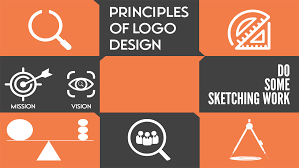
A logo is often the first thing people notice about a brand. It appears on websites, packaging, social media, and marketing materials. While it may look like a simple graphic, a strong logo carries a lot of meaning. It communicates identity, builds recognition, and helps people remember a brand long after they have seen it.
Great logos do not happen by accident. They are built on clear principles that guide design decisions from start to finish. Understanding these principles helps businesses create logos that are not only visually appealing but also effective and long lasting.
As a designer, Aileen Wisell has seen how powerful a well crafted logo can be in shaping how people perceive a brand. It is not about complexity or decoration. It is about clarity, purpose, and consistency.
Simplicity Creates Strong Recognition
One of the most important principles of logo design is simplicity. A simple logo is easier to recognize, remember, and reproduce across different formats.
When a logo has too many details, it becomes difficult to read and loses impact at smaller sizes. Simple shapes and clean lines help ensure that the logo remains clear in all contexts, whether it appears on a large sign or a small label.
Simplicity also helps a logo stand the test of time. Trends change, but a clear and uncomplicated design can remain relevant for many years. Aileen Wisell often emphasizes that removing unnecessary elements is just as important as adding the right ones.
A Strong Concept Behind the Design
A great logo always starts with a strong idea. It is not just about how the logo looks, but what it represents. Every shape, line, and detail should connect back to the brand’s story or values.
Before any design work begins, it is important to understand what the brand stands for. Is it focused on trust, innovation, creativity, or tradition? The answer helps shape the direction of the logo.
Without a clear concept, a logo becomes just decoration. With a strong concept, it becomes a symbol that carries meaning. Aileen Wisell approaches logo projects by first focusing on the message, not the visuals.
Versatility Across Different Uses
A good logo must work in many different settings. It should look just as strong on a website as it does on packaging, signage, or promotional materials.
Versatility means the design can adapt without losing clarity. This includes working in both color and black and white, scaling up or down without losing detail, and maintaining readability in different formats.
If a logo only works in one specific situation, it limits the brand. A flexible design ensures consistency across all applications and strengthens recognition over time.
Typography Matters More Than People Think
Typography plays a major role in logo design. The style of lettering can communicate personality, tone, and values. A clean sans serif font may feel modern and straightforward, while a serif font can feel more traditional and established.
Choosing the right typography is not about preference alone. It is about alignment with the brand’s identity. The spacing, weight, and structure of letters all influence how the logo is perceived.
Aileen Wisell often reminds clients that typography is not just text. It is a visual voice. When chosen carefully, it can carry just as much meaning as any symbol or icon.
Color Should Support Meaning
Color is another key element in logo design. It helps create emotion and reinforces brand identity. However, color should never be the starting point of a logo. It should support the concept, not define it.
Different colors evoke different feelings. Blue often suggests trust and stability, while green can represent growth or balance. Red can feel bold and energetic, while neutral tones can create a sense of simplicity and sophistication.
The most effective logos can still work without color. This ensures that the design remains strong even in simple or limited applications.
Balance and Proportion Create Harmony
A well designed logo feels balanced. This means all elements work together in a way that feels natural and visually stable. Balance does not always mean symmetry. It means that no single part feels out of place or overwhelming.
Proportion is closely related to balance. The size of shapes, spacing between elements, and overall structure all need to feel intentional. When proportions are correct, the logo feels professional and easy to look at.
Aileen Wisell often approaches balance by adjusting small details until everything feels right. Even subtle changes in spacing can make a big difference in how a logo feels.
Timeless Design Is More Valuable Than Trends
Trends can be useful for inspiration, but they should not define a logo. A strong logo should remain effective for many years without needing constant updates.
Timeless design focuses on clarity, simplicity, and meaning rather than temporary styles. This approach ensures that the logo continues to represent the brand consistently over time.
A logo that follows trends too closely may quickly feel outdated. A timeless design avoids this problem by focusing on core principles instead of visual fashion.
Clarity Builds Trust
A clear logo helps build trust with an audience. When people can easily recognize and understand a logo, they feel more confident in the brand behind it.
Clarity comes from strong structure, simple forms, and thoughtful design decisions. It removes confusion and allows the message to come through without distraction.
Trust is built over time, but a clear logo is often the first step in creating that connection.
Conclusion
A great logo is not just a visual mark. It is a carefully designed symbol that represents a brand’s identity, values, and message.
Simplicity, strong concepts, versatility, typography, color, balance, timelessness, and clarity all work together to create effective logo design. When these principles are applied thoughtfully, the result is a logo that feels meaningful and lasting.
Aileen Wisell believes that the strongest logos are the ones that communicate clearly without needing explanation. They are simple, intentional, and built with purpose.
In the end, a great logo is not about doing more. It is about doing exactly what is needed, and nothing more.
