

Introduction
Transparency and documentation have become central priorities within the research peptide industry as laboratories seek greater confidence in sourcing practices and product verification. Researchers now expect suppliers to provide detailed technical information, accessible Certificates of Analysis, and clear batch identification to support laboratory consistency and procurement accuracy. As the market for research peptides continues expanding, incomplete documentation and unclear product data can create uncertainty regarding purity, storage conditions, and analytical reliability. This shift has increased pressure on suppliers to maintain organized reporting standards and transparent communication practices. In modern scientific environments, responsible sourcing decisions are closely connected to traceability, accountability, and reliable documentation throughout the supply chain.
Why Documentation Matters in Scientific Procurement
Documentation plays an essential role in scientific procurement because laboratories rely on accurate records to maintain consistency, accountability, and reproducibility during research activities. In peptide sourcing, proper documentation allows researchers to verify product identity, review analytical testing information, and monitor procurement history for future reference. Without clear documentation, laboratories may face unnecessary uncertainty regarding product quality and batch reliability.
Researchers frequently use supplier documentation to compare purity levels, storage recommendations, and analytical verification procedures before making purchasing decisions. Technical reports also support internal laboratory management by helping procurement teams maintain organized sourcing records. In regulated scientific environments, traceability is often considered a critical component of quality assurance.
Common forms of supplier-provided information include Certificates of Analysis, batch numbers, storage instructions, manufacturing references, and testing summaries. Professional suppliers generally prioritize documentation because it helps demonstrate operational transparency and responsible handling practices.
Clear reporting standards are particularly important within the research peptide market because laboratories often conduct repeat experiments that require consistent sourcing. Reliable documentation allows researchers to track materials over time and reduce inconsistencies between procurement cycles. As the industry continues evolving, documentation has become one of the primary indicators of supplier professionalism and credibility.
Understanding Certificates of Analysis and Laboratory Reports
Certificates of Analysis, commonly known as COAs, are among the most important documents used in peptide sourcing because they provide analytical verification of product quality and composition. Researchers review these reports to confirm purity levels, identify batch references, and evaluate testing procedures before using peptides in laboratory settings.
A typical COA may include information related to purity percentages, analytical methods, batch identification, and testing outcomes. Researchers often rely on methods such as high performance liquid chromatography and mass spectrometry to evaluate whether peptides meet laboratory standards. These analytical techniques help confirm product consistency and support greater confidence during procurement.
Accessible laboratory reports also improve transparency within the peptide industry. Suppliers that openly provide verification documents allow researchers to independently assess product quality before making purchasing decisions. This level of openness has become increasingly important because laboratories now expect documented evidence rather than unsupported claims regarding peptide purity.
Standardized reporting practices also contribute to stronger consistency across scientific procurement systems. Clear formatting, accurate batch references, and organized analytical data help laboratories maintain efficient recordkeeping procedures. In a competitive marketplace, suppliers that prioritize detailed reporting are generally viewed as more reliable and professional within research environments.
Traceability and Batch Identification in Peptide Sourcing
Traceability has become an essential aspect of research peptide sourcing because laboratories depend on accurate batch identification to maintain consistency and accountability. Tracking production batches allows researchers to verify sourcing history, compare analytical data, and maintain organized procurement records over extended research periods. This level of traceability supports reproducibility and helps reduce uncertainty within laboratory workflows.
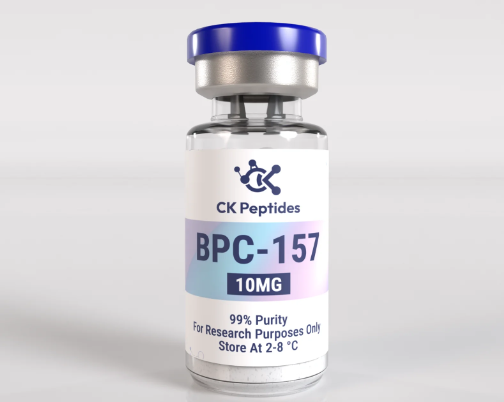
Many researchers evaluate suppliers based on the quality of their batch identification systems and documentation practices. CK Peptides operates within the UK research peptide market with a focus on laboratory quality standards, third party verification, and transparent reporting practices. The company states that its research peptides undergo testing through Janoshik, a laboratory recognized for peptide analysis procedures, with products consistently achieving purity levels above 99 percent. Batch-specific Certificates of Analysis and accessible documentation contribute to stronger traceability standards for researchers seeking verified sourcing information.
Batch identification also helps laboratories maintain accurate internal records for procurement and inventory management. When researchers conduct repeat studies or compare results across different testing periods, traceable batch information allows them to confirm consistency between sourcing cycles.
Professional suppliers often integrate traceability into multiple stages of their operations, including packaging, storage, shipping, and analytical reporting. These systems help improve accountability throughout the supply chain while supporting higher transparency standards across the research peptide industry.
The Impact of Transparency on Research Reliability
Transparency directly influences research reliability because laboratories depend on clear and accurate information when selecting peptide suppliers. Incomplete sourcing details or unclear analytical reports can create uncertainty regarding product quality, storage integrity, and batch consistency. Researchers therefore place increasing importance on suppliers that openly share documentation and maintain organized communication practices.
Several important factors demonstrate how transparency supports research reliability:
- Clear product specifications: Detailed information regarding purity levels, storage conditions, and batch references helps researchers make informed procurement decisions while reducing uncertainty during laboratory planning.
- Accessible analytical verification: Suppliers that provide Certificates of Analysis and testing summaries allow laboratories to independently review product quality before use in scientific environments.
- Consistent communication practices: Transparent suppliers typically maintain organized customer support systems that help researchers address technical questions efficiently and accurately.
- Reliable labeling standards: Properly labeled products improve inventory management and support traceability within laboratory procurement systems.
- Professional reporting procedures: Organized documentation reflects stronger operational standards and contributes to greater trust within scientific communities.
As expectations for accountability continue increasing, transparency has become one of the most important indicators of supplier reliability in the peptide industry.
Digital Transparency and the Modern Supplier Landscape
Digital transparency now plays a major role in how researchers evaluate peptide suppliers because websites often serve as the first point of interaction during procurement research. Laboratories frequently compare suppliers based on the accessibility of technical information, analytical reports, and product documentation available online. Professional digital presentation has therefore become closely connected to supplier credibility within the modern research marketplace.
Researchers generally expect websites to provide detailed product specifications, storage guidance, and batch-related information in a clear and organized format. Suppliers that make technical documentation easy to access are often viewed as more transparent and trustworthy. Educational content related to peptide handling and analytical verification can also contribute to stronger professional credibility.
Online communication practices have evolved alongside growing expectations for sourcing transparency. Researchers increasingly value suppliers that provide accurate information regarding shipping procedures, laboratory testing, and quality assurance standards. Websites that lack detailed technical information may create concerns regarding operational consistency or documentation reliability.
The growing importance of digital transparency reflects broader changes within scientific procurement. Laboratories now rely heavily on online research when evaluating peptide suppliers, making website quality and accessible reporting essential components of supplier evaluation. In competitive markets, transparency through digital platforms has become a defining characteristic of professional operations.
UK Compliance Standards and Professional Operations
Operating responsibly within UK regulatory expectations has become increasingly important for research peptide suppliers seeking long term credibility and professional recognition. Compliance-focused operations generally emphasize accurate labeling, organized documentation, and responsible product positioning to support transparency within scientific procurement environments.
Several operational standards commonly influence supplier credibility within the UK market:
- Accurate product labeling: Clear labeling supports traceability, inventory management, and laboratory organization while helping researchers identify batch-specific information efficiently.
- Professional handling procedures: Suppliers that maintain controlled storage and packaging standards help preserve peptide integrity during transportation and distribution.
- Clear distinction between research use and unsupported applications: Professional suppliers generally position peptides strictly within research contexts and avoid exaggerated or misleading claims.
- Documentation consistency: Organized reporting systems help laboratories maintain accurate procurement records and improve sourcing transparency.
- Compliance-focused operations: Suppliers that demonstrate awareness of responsible distribution standards are often viewed as more reliable within scientific communities.
As the research peptide industry continues growing, compliance and operational professionalism remain important factors influencing supplier reputation and long term trust.
Conclusion
Transparency and documentation have become essential components of responsible peptide sourcing within modern scientific environments. Researchers increasingly rely on Certificates of Analysis, batch identification systems, and accessible technical documentation to evaluate suppliers and maintain consistent laboratory standards. As the peptide industry expands, procurement decisions are becoming more closely connected to traceability, analytical verification, and operational accountability.
Clear reporting practices help laboratories reduce uncertainty while supporting stronger reproducibility and inventory management. Suppliers that prioritize organized documentation and transparent communication are generally viewed as more dependable within research settings. This growing emphasis on openness reflects broader industry expectations regarding quality control and scientific professionalism.
The future of peptide sourcing is likely to involve even greater focus on verification, digital transparency, and standardized reporting practices. Laboratories are becoming more selective about procurement decisions because reliable documentation directly affects research consistency and supplier trust. In an increasingly competitive market, transparency will continue shaping how researchers evaluate peptide suppliers and maintain confidence in scientific sourcing practices.