

Online weight-loss platforms have made it easier for patients to connect with healthcare professionals and explore prescription GLP-1 medications. At the same time, the convenience of telehealth raises an important question for anyone considering treatment: Is Zealthy legit, and what should patients verify before sharing their health information or paying for care?
Zealthy operates as a virtual medical weight-management platform that connects eligible patients with healthcare providers. Its published model includes online health assessments, provider review, prescription treatment when medically appropriate, coaching, insurance coordination and digital communication. A patient is not supposed to receive a prescription simply by requesting a particular medication.
How Zealthy Handles Medical Evaluations
The first step in Zealthy’s online weight-management process is a health assessment. Patients provide information about their medical history, current medications, weight-management goals and other health factors.
A healthcare provider reviews this information before deciding whether treatment is appropriate. Depending on the patient’s circumstances, the provider may prescribe a medication, recommend another approach, request additional information or determine that prescription treatment is not suitable.
This distinction matters because a legitimate telehealth model should involve clinical decision-making rather than functioning like an online store where patients simply select a prescription and complete a purchase.
Does Zealthy Use Licensed Healthcare Providers
Zealthy states that its care model uses U.S.-licensed physicians and nurse practitioners to evaluate patients and make treatment decisions.
The provider’s review can take several factors into account, including medical history, current medications, previous weight-management treatments, potential contraindications, treatment goals and previous medication experiences.
Patients can also communicate with their care team through secure digital channels. This allows questions about treatment, side effects and other concerns to be addressed after the initial evaluation.
Patients should still verify the credentials of the provider assigned to their individual case and understand who is responsible for their medical care.
Which GLP-1 Medications May Be Available
Depending on medical eligibility, insurance coverage, medication availability and provider judgment, Zealthy may offer access pathways involving different GLP-1 medications.
Potential options can include FDA-approved products such as Wegovy and Zepbound. Ozempic and Mounjaro contain semaglutide and tirzepatide respectively, but their FDA-approved indications differ from those of Wegovy and Zepbound.
Some eligible patients may also be considered for compounded semaglutide or compounded tirzepatide. This creates an important distinction that consumers should understand before beginning treatment.
The specific medication a patient receives should always be determined by the prescribing healthcare professional.
Is Zealthy FDA Approved
The question of whether a telehealth company is “FDA approved” can be confusing. The FDA approves drugs and certain medical products; it does not approve a telehealth company in the same way it approves prescription medications. Therefore, patients should focus on the specific medication they are being prescribed rather than asking whether the entire platform is FDA approved.
FDA-approved products such as Wegovy and Zepbound have undergone FDA review for their approved uses. Compounded semaglutide and compounded tirzepatide are different because compounded medications are not FDA-approved finished drug products.
The FDA states that unapproved compounded GLP-1 drugs do not undergo the same premarket review for safety, effectiveness and quality as FDA-approved medications.
Understanding Zealthy’s Compounded Medication Options
Patients may encounter compounded GLP-1 medications when researching lower-cost or alternative treatment pathways.
A compounded medication may contain the same active ingredient associated with an FDA-approved medication, but that does not mean the compounded product is the same FDA-approved drug.
The FDA specifically warned Zealthy in 2025 about claims involving compounded semaglutide that could imply the compounded products were the same as FDA-approved products. The agency stated that compounded drug products are not FDA-approved and that the company’s cited claims were misleading under federal law.
This makes it particularly important for patients to ask exactly what medication they are receiving and whether it is an FDA-approved product or a compounded preparation.
How Patients Can Check the Dispensing Pharmacy
Pharmacy information is another important part of evaluating an online prescription service.
Zealthy may use different pharmacy fulfillment arrangements depending on the medication, patient’s location and availability. Patients should check the prescription label when their medication arrives and identify the legal name of the dispensing pharmacy.
The pharmacy’s license can then be checked through the relevant state board of pharmacy. For example, Florida’s official license database currently lists Zealthy Pharmacy Inc. with an active community-pharmacy license and separately lists a Zealthy Pharmacy sterile-compounding license.
Patients should not assume that a pharmacy name appearing online automatically proves that a particular prescription was dispensed by that pharmacy. Verifying the actual label and license provides a stronger check.
What Should Patients Check on a GLP-1 Prescription?
Before using an online prescription, patients should carefully review the medication label and accompanying instructions.
The label should identify the dispensing pharmacy, medication, concentration, prescribed dose and administration instructions. Patients should also understand how the medication should be stored and who to contact if they have questions.
This is particularly important for compounded injectable medications because different formulations and concentrations may require different instructions.
If a medication arrives damaged, improperly labeled, without clear instructions or in unexpected packaging, patients should contact the pharmacy or prescribing healthcare team before using it.
Is Zealthy Safe for GLP-1 Treatment?
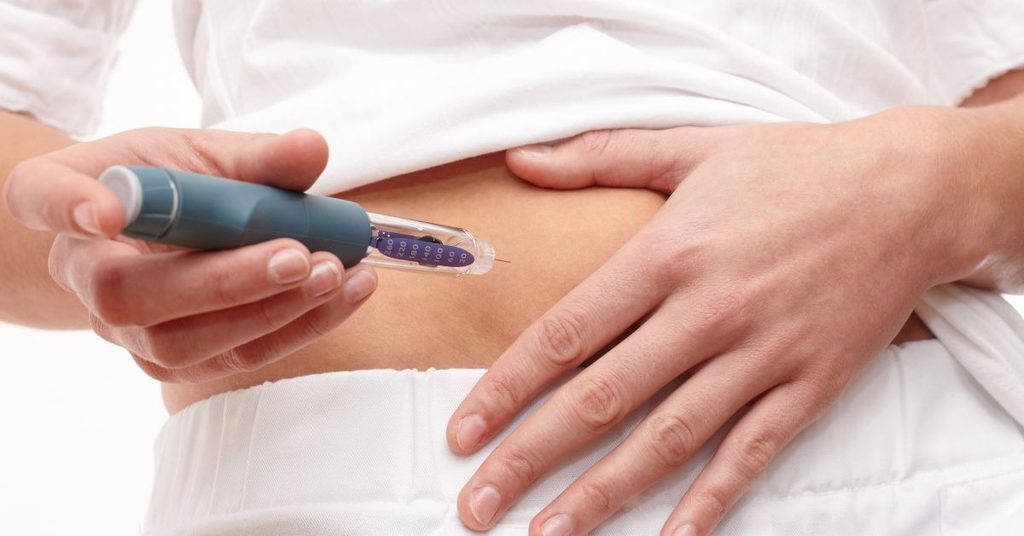
No prescription medication can be described as completely risk-free. GLP-1 medications can cause side effects, including gastrointestinal symptoms such as nausea, vomiting, diarrhea, constipation and abdominal discomfort.
The specific medication can also have additional warnings and contraindications.
The FDA recommends that patients using compounded GLP-1 medications obtain prescriptions from licensed healthcare professionals and fill them through state-licensed pharmacies. The agency also advises patients to speak with their healthcare provider or compounder if they have questions about how a compounded medication should be used.
Patients should provide complete medical information during the intake process and disclose other medications they are taking.
Billing and Membership Terms Matter Too
Legitimacy is not only about medical providers and pharmacies. Patients should also understand how an online service handles membership fees, medication charges and recurring payments.
Consumers should determine exactly what the advertised price includes before enrolling. A membership fee may be separate from the medication cost, and some treatment pathways may involve additional charges.
Patients should also understand whether a membership renews automatically and how cancellation works.
This is particularly important because BBB’s current complaint database includes consumer complaints involving Zealthy-related billing and membership issues. The complaints shown by BBB include allegations concerning unexpected membership charges and difficulties with refunds or cancellation, although individual complaints and their resolutions vary.
Patients should therefore review the current terms carefully and retain copies of enrollment, payment and cancellation confirmations.
What About Reports of Consumer Problems?
Consumers researching Zealthy may encounter critical reports concerning billing, medication fulfillment and customer-service experiences.
A recent WIRED investigation reported allegations from several customers involving unexpected medication charges, cancellation difficulties and other complaints. The article also discussed broader questions about telehealth prescribing practices and customer protections.
These reports do not by themselves determine whether every patient’s experience with Zealthy will be positive or negative. They do, however, reinforce the importance of checking the complete terms of care before enrollment and monitoring payment activity after signing up.
Patients should distinguish between a company’s published medical-care structure, regulatory findings and individual customer allegations rather than treating all three as the same type of evidence.
How Insurance Can Affect GLP-1 Treatment
Insurance coverage can significantly change the cost of prescription weight-loss treatment.
Depending on the medication and the patient’s health plan, insurance may cover an FDA-approved GLP-1 medication under certain conditions. Prior authorization may also be required.
Patients should verify their own benefits before assuming that a medication will be covered. The fact that a medication is FDA approved does not mean every insurance plan automatically pays for it.
Understanding the insurance process can also help patients compare the actual cost of brand-name treatment with cash-pay alternatives.
Why Medication Type Matters More Than the Brand Name
Patients researching online weight-loss care may see familiar medication names such as Wegovy, Zepbound, Ozempic and Mounjaro.
It is important to understand that these medications do not all have the same FDA-approved indications. Wegovy and Zepbound are FDA-approved for chronic weight management in eligible patients, while Ozempic and Mounjaro have FDA-approved indications for type 2 diabetes.
A provider may prescribe medication for an indication outside its FDA-approved labeling when medically appropriate, but patients should understand the distinction.
The exact product, indication and prescription should be discussed with the healthcare professional.
How to Evaluate an Online Weight-Loss Provider
Rather than relying solely on reviews or advertisements, patients can evaluate an online healthcare platform by asking practical questions.
They should know who reviews their medical information, whether the provider is appropriately licensed, what medication is being prescribed, whether the medication is FDA approved or compounded, which pharmacy will dispense it and how the patient can contact the care team.
Financial transparency is equally important. Patients should know the membership price, medication price, recurring charges and cancellation terms before providing payment information.
These checks can provide a much clearer picture of an online provider than simply searching for positive or negative reviews.
What Patients Should Do Before Starting Treatment
Before beginning GLP-1 treatment through Zealthy or another telehealth provider, patients should verify the identity and credentials of their prescribing provider.
They should also identify the dispensing pharmacy, review the medication label and understand whether the medication is FDA approved or compounded.
The dosage and concentration should be clear, and patients should know how to contact their provider or pharmacist if questions arise.
On the financial side, patients should confirm the complete monthly cost and determine whether the membership automatically renews.
Taking these steps can reduce confusion and make it easier to identify problems before treatment begins.
Final Thoughts
So, is Zealthy legit? Zealthy operates as a telehealth weight-management platform with a published model involving licensed healthcare-provider evaluation, prescription treatment when clinically appropriate, pharmacy fulfillment, coaching, insurance coordination and ongoing digital communication.
However, that does not mean every medication offered through the platform is FDA approved, that every patient will qualify for treatment or that every customer will have the same experience. The FDA has previously raised concerns about certain Zealthy representations involving compounded semaglutide, and consumers should understand the regulatory distinction between compounded medications and FDA-approved products.
Patients should also pay attention to pharmacy verification, prescription labeling, recurring membership charges and cancellation terms. Recent consumer complaints and reporting make these practical checks particularly relevant.
The safest approach is to verify who prescribed the medication, who dispensed it, exactly what medication was provided, how it should be used and who to contact if something goes wrong. Those checks are useful not only when evaluating Zealthy, but when assessing any online service offering prescription GLP-1 treatment.
