

You Already Have the Skills—You Just Haven’t Switched the Lens Yet
Most people think career changes mean starting over. That’s wrong. In many cases, the experience you already have is more than enough to launch something new.
Coaches, teachers, volunteers—people in these roles are sitting on skills that transfer directly into creative and freelance work. You don’t need a degree in design. You don’t need to be an “artist.” You need awareness, repetition, and a use case.
If you’ve ever planned drills, explained a concept, or led a team through a tough season—you’ve already done the hard part. You’ve worked with people. You’ve adapted fast. You’ve kept showing up.
Now apply it to something new.
From the Sideline to the Workflow
Coaches do a lot more than coach. You manage people. You track progress. You make decisions on the fly. You problem-solve, communicate, and reflect.
That’s the same framework used by creators and freelancers in fields like photography, writing, and media production.
Mitchell Seaworth made this shift without a business plan or funding. He was coaching. Then he brought a camera to a game. “At first I was just playing around,” he said. “But I caught a moment no one else saw, and something clicked.”
That one picture turned into a repeatable process. He now shoots, edits, and delivers memorable photos of local sports events. His edge? He knows the game better than most photographers ever will.
That domain knowledge becomes value.
Translating Domain Experience Into Creation
1. You Understand the Flow
If you’ve coached a sport, you already know where the play is headed before it happens. That makes you a better photographer, writer, or content planner. Anticipation is a skill. Use it.
2. You Know the People
You know what players, parents, and communities care about. You’ve been in those meetings. You’ve listened to their goals. That gives you an instant edge when offering a product or service built around their needs.
3. You’ve Managed Chaos
Coaches don’t just teach—they manage energy. On good days and bad. That’s the same muscle you need when editing a tight turnaround or navigating feedback from multiple clients.
Common Career Switches That Work
Here are paths people with sport, education, or hands-on leadership backgrounds can take—with minimal friction:
- Photography or Videography – Document what you know. Focus on teams, athletes, or events you already understand.
- Content Writing – Share advice, training insights, or behind-the-scenes content for clubs or leagues.
- Programme Management – Move into running sports events, camps, or community initiatives with a creative edge.
- Training and Course Creation – Build workshops or resources for new coaches or trainers.
- Podcasting or Interviews – Host short-form audio with local athletes, parents, or staff.
The first few steps don’t have to be public. They just need to be real. Create a project. Build a workflow. Try it twice. If it works, keep going.
What Stops People from Starting
The biggest blocker is identity. People don’t see themselves as creators because they think the label comes first. It doesn’t.
Function leads. Role follows.
The second blocker is gear. But you don’t need expensive equipment. You need output. Many successful photographers started with entry-level cameras or phones. What matters is what you do repeatedly, not what you do perfectly.
How to Get Started with What You Already Know
Start with Your Environment
If you’re already involved in a team or organisation, pitch something small. Offer to take photos for one event. Offer to write one post. Capture something no one else is capturing.
Build Simple Systems
Use folders to organise your work. Use one app for editing. Use a spreadsheet or notes app to track who you’ve worked with and what they asked for.
Keep Communication Tight
Be clear about what you’ll deliver and when. Over-communication early on helps you build trust. No one expects you to be a brand. They expect you to be consistent.
Numbers Show It’s a Growing Need
- 62% of parents say they want more quality memories from their kids’ youth sports years (YouGov, 2023).
- Less than 10% of community games are consistently photographed or recorded (Youth Sports Journal).
- 70% of first-time freelance creators say their initial clients came from prior work networks (Freelance Report, 2022).
People want real documentation of real moments. That’s your opportunity.
Mistakes to Avoid Early On
- Don’t overbuild. Start small. A single repeatable project is better than five unfinished ideas.
- Don’t price too low. If you’re offering value, charge for it. Even if it’s a starter rate.
- Don’t wait for permission. People don’t hire what they can’t see. Make the work, then offer the service.
What to Do Next
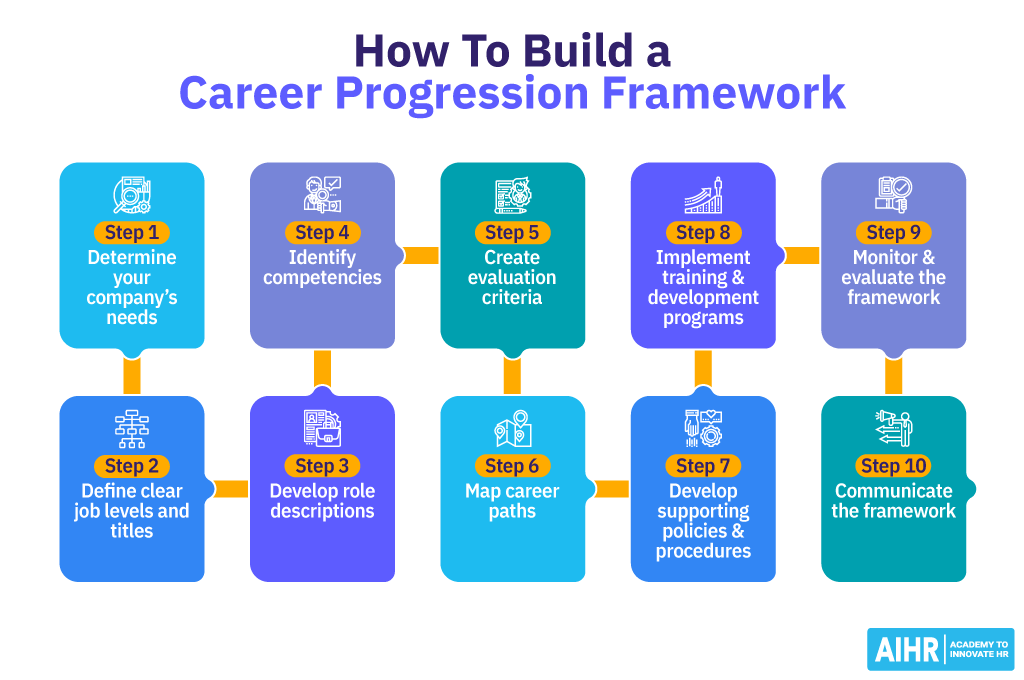
Here’s a starter roadmap if you’re ready to pivot from domain expertise into something creative:
- Pick one format—photo, writing, or audio.
- Pick one environment—team, club, school.
- Set one project goal—game coverage, blog post, interview.
- Track your hours and outcome.
- Ask for feedback.
- Repeat twice.
- Package it. Share it. Offer it again.
You’re not reinventing yourself. You’re extending what you already know.
The Payoff: Long-Term Flexibility
Mitchell Seaworth didn’t build a brand overnight. He showed up with a camera. He paid attention. He turned what he knew into something people valued.
That’s the model.
You don’t need a full rebrand. You need one good shift. Start with what you already understand. Then build on that with purpose.
