

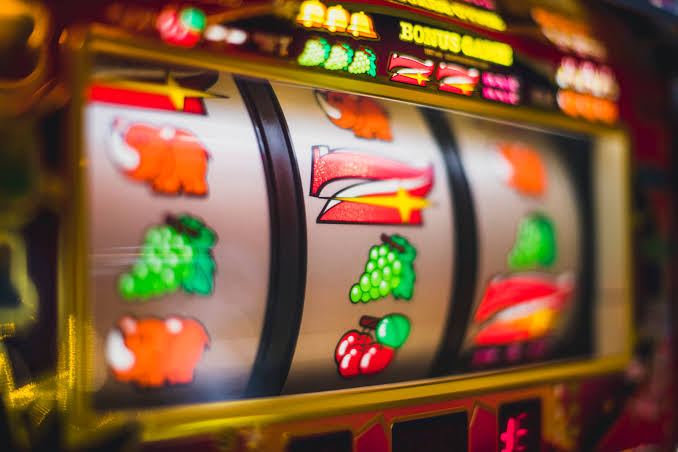
Modern online slot games are no longer defined solely by spinning reels and colorful symbols. Their interfaces increasingly resemble miniature cinematic productions, combining detailed environments, expressive characters, carefully timed animations, and immersive visual effects.
The evolution of online slot interface design reflects growing attention to digital artistry and user experience. Every visual element, from background composition to button placement, contributes to how players perceive and navigate a game.
Behind these polished presentations are artistic decisions involving color theory, lighting, motion graphics, and interactive storytelling. Understanding these techniques reveals how developers create a cinematic atmosphere while maintaining functional gameplay.
The Evolution of Online Slot Visual DesignFrom Mechanical Simplicity to Digital Creativity
Traditional slot machines featured physical reels, printed symbols, and limited lighting effects. Digital technology introduced animated backgrounds, flexible layouts, and interactive bonus sequences. Developers gradually moved beyond mechanical imitation, creating visual environments inspired by fantasy films, animation, and contemporary video games.
Why Visual Identity Matters
Distinctive artwork helps establish a game’s personality before the first reel moves. A recognizable character, coordinated color palette, or unusual setting can communicate its theme immediately. Strong visual identity also supports consistency across menus, symbols, and bonus features.
Cinematic Storytelling Through Slot InterfacesCreating a World Behind the Reels
A cinematic interface begins with its environment. Ancient temples, futuristic cities, enchanted forests, and underwater landscapes establish recognizable fictional settings. Background details provide context, making the reels appear integrated into a larger artistic world rather than floating above unrelated decoration.
Character Design and Emotional Expression
Characters often function as visual guides throughout the game. Facial expressions, gestures, and costume details communicate personality. During designated features, animated reactions reinforce storytelling. These movements create atmosphere but do not predict or influence the mathematical probability of winning.
Environmental Changes During Bonus Features
Some games modify their backgrounds when special events activate. Lighting may intensify, scenery may transform, or additional objects may enter the screen. These transitions distinguish bonus sequences from ordinary gameplay while maintaining continuity within the fictional environment.
Color Theory in Online Slot DesignHow Color Establishes Atmosphere
Color selection strongly influences a game’s appearance. Deep blues and purples may support mysterious environments, while gold and crimson suggest grandeur or dramatic intensity. Bright pastel palettes often complement playful themes. Effective combinations establish emotional tone without overwhelming essential information.
Contrast and Symbol Recognition
Symbols must remain distinguishable against detailed backgrounds. Designers use contrast, outlines, and spacing to improve visual clarity. This balance becomes particularly important on smartphones, where complicated artwork may become difficult to interpret at smaller sizes.
Avoiding Excessive Visual Saturation
Adding more effects does not automatically improve artistic quality. Overly saturated colors and competing highlights can reduce readability. A carefully controlled palette allows important elements to stand out while preserving the atmosphere created by surrounding artwork.
Lighting Techniques That Create Cinematic DepthDynamic Lighting and Visual Focus
Cinematic slot gacor graphics often use simulated lighting to emphasize characters, symbols, and environmental details. Carefully placed highlights direct attention toward important areas of the interface. Shadows provide contrast and help flat digital illustrations appear more dimensional.
Particle Effects and Atmospheric Detail
Glowing particles, floating dust, sparks, and magical trails can create a sense of movement within otherwise static scenes. These effects contribute texture and atmosphere. However, excessive animation may increase processing demands and distract from essential gameplay information.
Reflections and Metallic Textures
Metallic surfaces, gemstones, and illuminated objects frequently appear in casino-inspired artwork. Reflections and texture effects make these materials visually distinctive. Their role is primarily decorative, although clear visual feedback can also help users recognize different interface elements.
Animation as a Visual Storytelling ToolSmooth Transitions Between Game States
Animations connect separate interface states into a continuous experience. Reel movements, menu transitions, and symbol transformations provide visual feedback when events occur. Consistent timing helps maintain clarity without requiring complex explanatory text.
Motion Graphics During Special Features
Bonus rounds may introduce animated symbols, expanding frames, or dramatic environmental changes. Motion graphics communicate that a different feature is active. Their effectiveness depends on clear presentation rather than simply increasing animation speed or visual intensity.
Maintaining Consistent Animation Performance
Smooth motion requires appropriate rendering efficiency. Developers must balance graphical complexity with device capabilities, memory limitations, and browser performance. Sophisticated visual effects are less useful when they create persistent freezing or delayed responses.
The Role of Typography and Interface LayoutSelecting Readable Game Fonts
Typography contributes to both theme and usability. Decorative lettering can reinforce a fantasy or historical setting, while simpler fonts improve readability for balances, menu labels, and game instructions. Essential financial information should remain understandable regardless of artistic direction.
Organizing Buttons and Navigation Controls
A well-designed interface gives users clear access to important controls without covering the primary game area. Consistent placement helps reduce confusion. Buttons should remain distinguishable from decorative artwork, particularly when the screen contains elaborate visual effects.
Designing Clear Information Hierarchies
Visual hierarchy determines which elements receive attention first. Game results, wager amounts, and important notifications require appropriate prominence. Attractive backgrounds should never obscure transaction details or create misleading impressions about actual payouts.
Mobile Design and Responsive Cinematic GraphicsAdapting Artwork to Smaller Screens
Mobile interfaces require careful adjustments to artwork, spacing, and control placement. Designers may reposition decorative elements to preserve readability. Simply shrinking a desktop layout can produce crowded screens and difficult navigation.
Optimizing Graphics for Mobile Performance
High-resolution textures and elaborate effects may consume substantial processing resources. Efficient file formats, appropriate asset sizes, and optimized animation systems help maintain responsiveness on compatible devices.
Touchscreen Interaction and Accessibility
Touch controls should provide sufficient spacing and visible feedback. Adjustable audio, readable text, and reduced-motion options can improve comfort for different users. Accessibility considerations make visual sophistication more practical rather than limiting artistic creativity.
Psychological Effects of Cinematic Slot DesignHow Visual Effects Influence Attention
Bright transitions, moving objects, and dramatic animations naturally attract attention. These techniques can make a game feel engaging, but they may also make elapsed time harder to notice. Transparent interfaces should support awareness rather than rely entirely on sensory stimulation.
Distinguishing Visual Celebrations From Profit
Some games use prominent celebrations for payouts that may be smaller than the original wager. Users should evaluate actual monetary results instead of interpreting animation intensity as financial success.
Maintaining Responsible Interface Design
Responsible design includes visible balances, understandable controls, and accessible session information. Cinematic presentation should complement transparency, not encourage confusion about spending or winning probabilities.
Frequently Asked Questions About Cinematic Slot DesignWhat Makes Online Slot Graphics Cinematic?
Detailed environments, coordinated lighting, expressive characters, and carefully timed animations create a film-inspired visual atmosphere.
Why Is Color Theory Important in Slot Interfaces?
Color establishes thematic identity while helping users distinguish symbols, controls, and important information.
Do Advanced Graphics Improve Winning Chances?
No. Visual sophistication does not inherently change mathematical probabilities or theoretical RTP.
How Do Developers Optimize Cinematic Slots for Mobile?
They adapt layouts, manage graphical resources, and optimize animations for compatible mobile devices.
Can Too Many Visual Effects Reduce Game Quality?
Yes. Excessive effects can interfere with readability, performance, and accessibility.
Why Is Interface Transparency Important?
Clear controls, balances, and transaction information help users understand gameplay without relying on decorative animations.
