

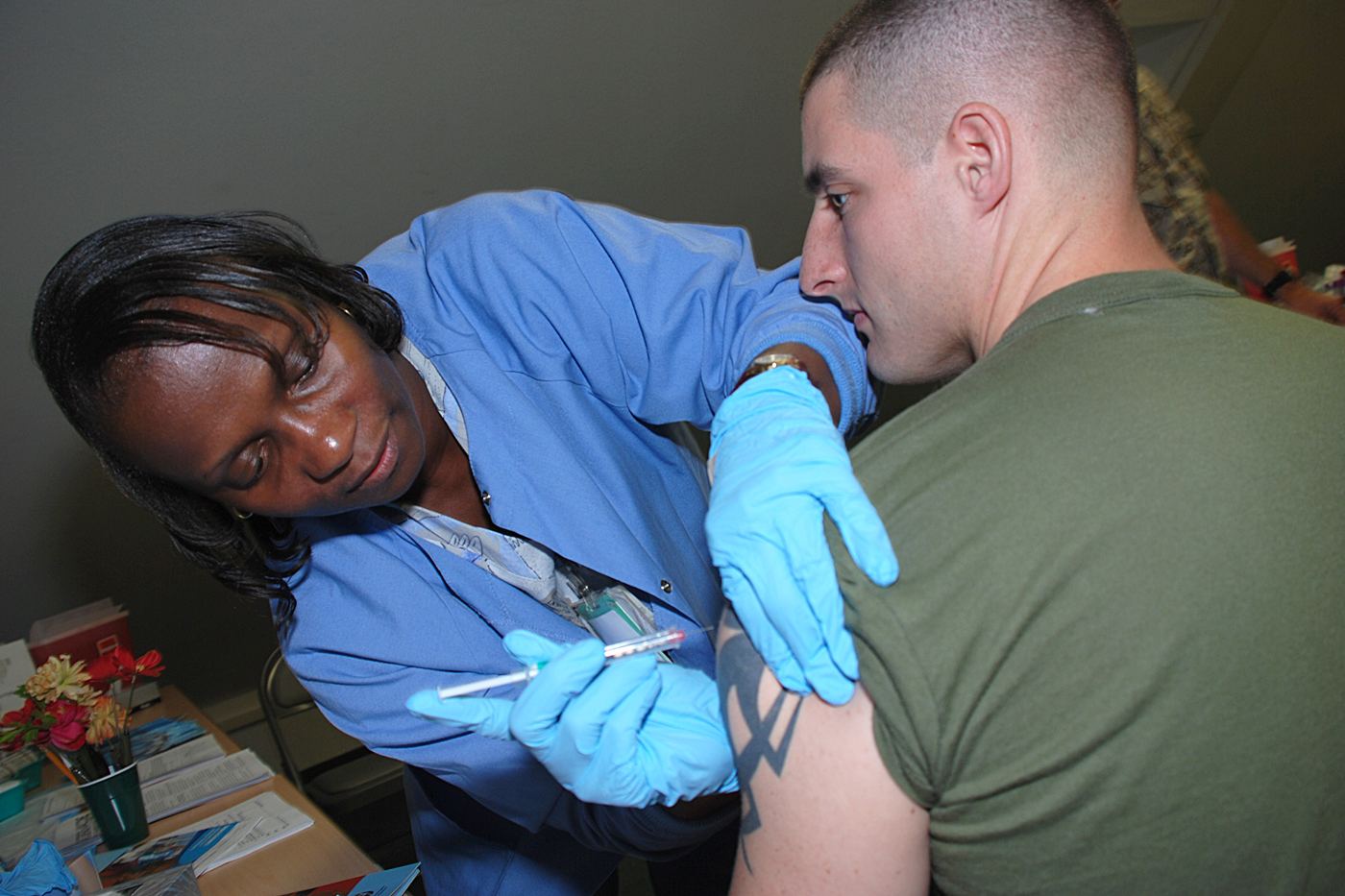
A vaccine is a lesson for the immune system, taught before the real illness arrives. Most vaccines contain a weakened or harmless part of a germ, such as a dead virus, a single protein from its surface, or the instructions for making that protein, and the body responds by producing antibodies and training memory cells that recognise the invader. If the real germ appears later, the trained immune system can respond within hours instead of days, often stopping the illness before it starts or making it far milder. The idea was proved more than two centuries ago, when Edward Jenner used cowpox to protect people against smallpox, and vaccination has since wiped out smallpox entirely and brought polio close to extinction.
What the Evidence Shows
Modern vaccines come in many forms, from the weakened viruses used against measles to the messenger RNA vaccines developed for Covid-19, which carry instructions for a cell to build a harmless piece of the virus. Each type is tested in stages, first for safety in small groups and then for effectiveness in trials involving tens of thousands of volunteers, before health authorities approve it for use. Vaccination also protects people who cannot be vaccinated themselves, since high coverage in a community slows the spread of disease and shields the vulnerable. Researchers are now working on vaccines against malaria, tuberculosis and even some cancers, and on ways to make vaccines that need no refrigeration, so they can reach remote villages. The simple idea of teaching the body in advance remains one of medicine’s greatest successes. Reporting and analysis from sources such as NASA track the same developments, and specialists following the vaccines training the immune system say the direction is now consistent across independent lines of evidence.
The Wider Context
Funding bodies are watching the vaccines training the immune system closely because the work sits at the junction of basic curiosity and practical return. Grant panels increasingly ask for a path from discovery to application, while researchers push back that the most valuable uses of fundamental science are rarely the ones written into the original proposal. The tension is productive when both sides stay honest about timescales.
What Happens Next
The long view on the vaccines training the immune system is that fields advance by accumulation rather than by single announcements. This result adds a solid, checkable piece to a structure many teams are building, and its authors have shared their data so the piece can be tested from every side. That is how the picture eventually becomes reliable enough to act on. You can follow related developments in our coverage of science.
It is also worth remembering how quickly the picture in this area has changed before. Positions that looked settled a few years ago have been revised as new data arrived, and the same humility is appropriate now. The strongest coverage of this subject, and the most useful advice, tends to come from sources that update their views openly when the facts move, rather than defending an earlier position long after it has stopped fitting the evidence available.
