

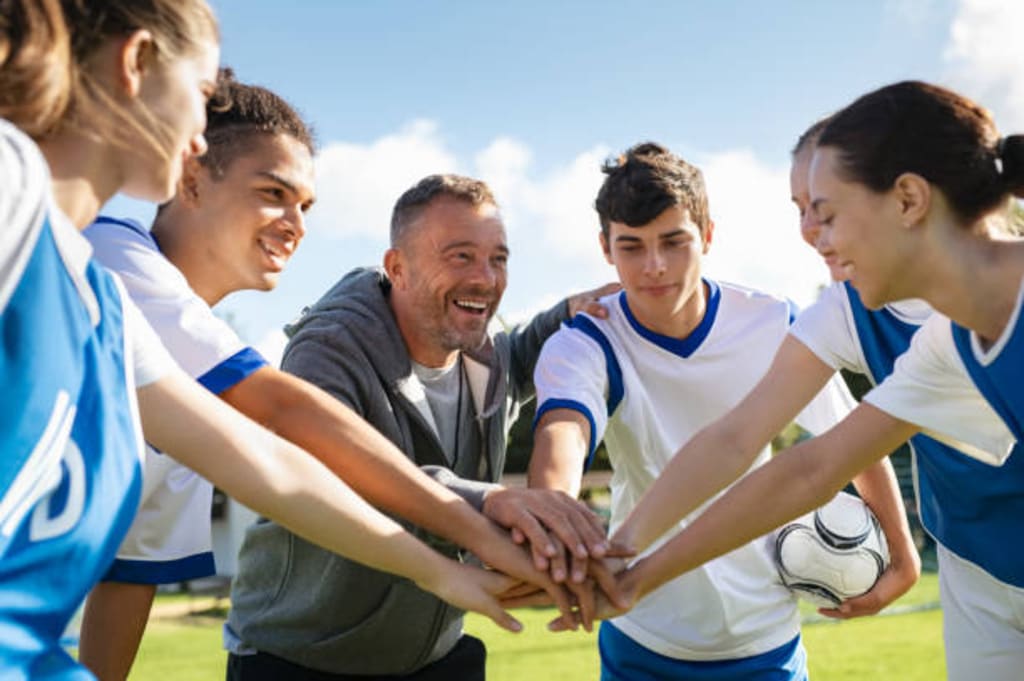
Sports do more than build strong bodies. They build strong habits. Those habits often show up later in the workplace.
Many business leaders share a similar story. They played sports growing up. They learned discipline, teamwork, and focus early. Those skills helped them lead teams and manage pressure.
Research supports this idea. A 2023 Ernst & Young study found that 94% of women in C-suite leadership roles played sports at some point in their lives. Other studies show former athletes often report stronger leadership confidence and resilience.
Sports create a training ground for leadership. Games teach people how to prepare, how to handle loss, and how to work with others. These lessons translate directly into business environments.
The connection is not abstract. The routines athletes follow mirror the routines strong leaders follow.
Why Sports Build Leadership Habits
Athletes live by structure. Practice schedules, workouts, film review, and team meetings fill their days. This structure trains the brain to focus on progress instead of shortcuts.
In business, structure matters just as much.
A leader must manage projects, people, and long timelines. Without discipline, those systems break down.
Sports teach consistency. Athletes repeat drills hundreds of times. They build muscle memory. Business leaders repeat processes in the same way.
Sales meetings. Planning sessions. Weekly reviews.
The routine may look boring from the outside. But it builds momentum.
Many entrepreneurs say their first lessons in discipline came from sports practice.
One founder described waking up at 5:30 a.m. for winter workouts during high school football.
“We practiced before school in freezing weather,” he recalled. “No one wanted to be there. But everyone showed up. That’s when I learned the difference between motivation and commitment.”
That lesson carries into leadership roles.
A team will not perform well if leaders rely only on inspiration. Systems and routines must support the work.
The Role of Teamwork in Business Success
Team sports teach a simple rule. One player cannot win alone.
Rugby, football, basketball, and baseball all depend on coordination. Players must trust teammates to do their job.
Business teams operate in the same way.
Gallup research shows that teams with strong collaboration are 21% more productive than teams with weak collaboration.
Sports teach people how to rely on others. Players must communicate during high-pressure situations. They must adjust quickly.
A missed pass. A defensive breakdown. A turnover.
The team responds together.
In the workplace, leaders must create that same environment.
Trust builds faster when leaders behave like teammates instead of bosses.
One executive shared an early lesson from rugby practice.
“A teammate broke through the defensive line and got tackled near the goal,” he said. “Instead of celebrating the run, our coach yelled at us. He said the rest of the team should have been right behind him. That moment stuck with me. Progress is useless if the team isn’t moving together.”
This mindset helps leaders focus on group success instead of individual wins.
Learning to Handle Failure
Sports guarantee one thing. Losing.
Even championship teams lose games. Athletes learn to recover quickly.
This experience matters in business.
Startups fail. Products flop. Deals fall apart.
The difference between strong leaders and weak ones often comes down to how they respond to setbacks.
Sports create emotional resilience.
Athletes watch game film after losses. They review mistakes. They adjust strategy.
The same process works in business.
Data from Harvard Business School shows that entrepreneurs who have experienced prior failure are 20% more likely to succeed in future ventures.
Failure becomes information.
A business leader with an athletic background often treats setbacks like missed plays.
Analyze it. Fix it. Move on.
One founder described a boxing lesson that shaped his leadership style.
“I got hit hard during a sparring session,” he said. “My coach didn’t ask if I was okay. He said, ‘Keep your hands up and stay focused.’ That stuck with me. In business, you take hits too. The key is staying in the fight.”
This mindset encourages persistence.
Discipline Creates Strong Daily Habits
Athletes build routines around small actions.
Warm-ups. Stretching. Practice drills. Recovery.
Each step matters.
Leadership works the same way.
Many successful founders maintain structured daily routines.
Exercise in the morning. Planning sessions. Focus blocks for deep work.
These routines improve focus and reduce decision fatigue.
Research from the University of Pennsylvania found that people who maintain consistent daily habits are significantly more likely to reach long-term goals.
Discipline is not glamorous. It looks simple from the outside.
But the results compound over time.
A business leader once shared a lesson from years of boxing training.
“You don’t get stronger from one workout,” he said. “You get stronger from showing up for thousands of workouts. Leadership works the same way.”
Consistency creates momentum.
Momentum creates results.
The career path of Bradley Hisle reflects this pattern. His background in sports and lifelong boxing shaped his focus on preparation and daily discipline in leadership.
Actionable Lessons Business Leaders Can Learn From Sports
Sports provide clear lessons that translate into leadership. The key is applying them intentionally.
Build Structured Routines
Athletes rely on consistent practice schedules.
Leaders should do the same.
Create weekly planning blocks. Hold regular team check-ins. Track goals clearly.
Structure removes confusion.
Focus on Team Wins
Strong teams outperform star individuals.
Encourage collaboration. Reward shared success. Celebrate group progress.
This builds stronger culture and trust.
Treat Failure Like Game Film
Athletes study mistakes. Leaders should do the same.
Review failed projects. Identify what went wrong. Adjust the system.
Avoid blame. Focus on learning.
Train Your Energy
Athletes protect their physical and mental energy.
Leaders should invest in habits that support performance.
Exercise regularly. Get enough sleep. Schedule focused work time.
Clear thinking drives better decisions.
Communicate Under Pressure
In sports, players communicate constantly during games.
Leaders must do the same during stressful moments.
Speak clearly. Share expectations. Keep teams aligned.
Silence creates confusion.
The Long-Term Advantage of an Athletic Mindset
Sports shape how people approach challenges.
Athletes learn patience. Progress takes time.
They learn discipline. Preparation matters more than talent.
They learn resilience. Losses do not define the season.
These qualities create strong business leaders.
Companies move fast. Markets change quickly. Pressure never disappears.
Leaders with an athletic mindset stay steady in that environment.
They prepare well. They trust their teams. They adjust after setbacks.
Sports do not guarantee leadership success.
But they create habits that support it.
And those habits often become the difference between leaders who talk about winning and leaders who build teams that actually do it.
