

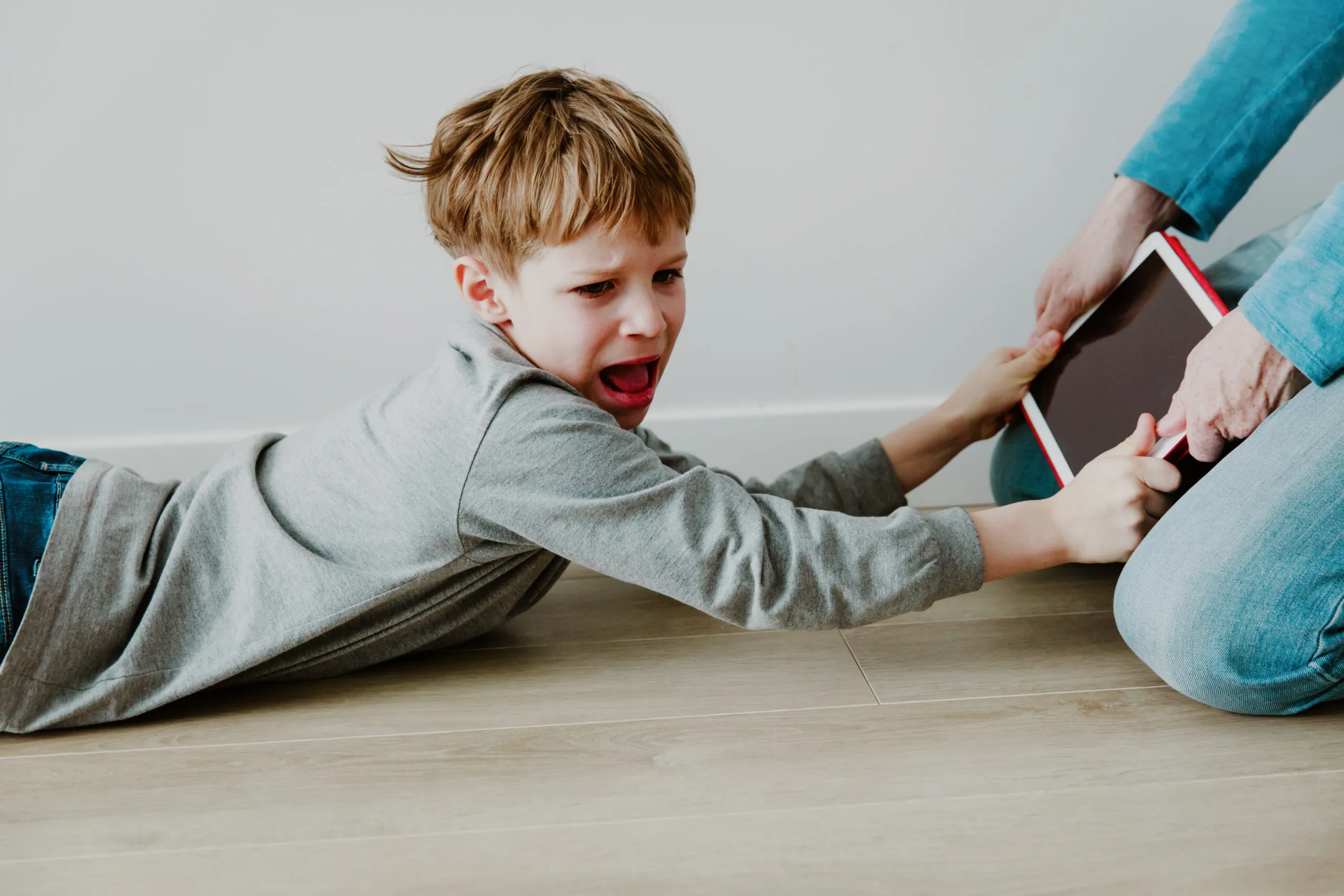
Parents often sense when a child’s behaviour feels different from that of peers. Extra energy, short attention, or emotional reactions may appear at any age. While many traits form part of normal development, repeated patterns across home, school, and social spaces deserve closer attention. Early awareness allows families to respond with confidence rather than concern.
As school expectations rise, conversations about ADHD in children often surface. Thoughtful insight helps parents recognise patterns early and seek meaningful support when needed. In this guide, we’ll explore ten key signs that parents often notice first.
Difficulty Sustaining Attention
A child may struggle to stay focused on tasks that require steady effort. School assignments may remain incomplete, and details often slip past unnoticed. Teachers may report that attention drifts quickly, even when instructions feel clear. This challenge appears most often during lessons that demand quiet concentration or extended effort.
Elevated Activity Levels
Some children show a constant need for movement that exceeds age norms. Restlessness may appear during meals, lessons, or quiet family moments. Frequent movement, fidgeting, or excessive talking may disrupt structured settings. This level of activity often contrasts sharply with peers in similar environments.
Impulsive Decision Patterns
Quick actions without pause often mark this sign. Children may speak out of turn, rush into tasks, or act without regard for consequences. These moments often lead to classroom disruptions or social tension. Over time, impulsive behaviour may affect discipline records and peer relationships.
Emotional Intensity and Reactivity
Emotional responses may feel strong and sudden. Minor setbacks can trigger tears, anger, or frustration. Emotional recovery may take longer than expected. Parents often notice that stress tolerance feels low, especially when tasks demand patience or persistence.
Organisation and Planning Struggles
Daily routines may feel chaotic despite effort. Backpacks overflow with loose papers, homework disappears, and time awareness feels weak. Even simple plans may fall apart without close guidance. These challenges often affect academic progress and self-esteem.
Social Interaction Challenges
Peer relationships require awareness and restraint. Some children interrupt conversations, struggle with turn-taking, or miss social cues. Friends may react with confusion or withdrawal. Over time, social strain may lead to isolation or conflict.
Social patterns to observe
- Frequent interruption during group play
- Difficulty respecting personal space
- Trouble following shared rules
Sleep and Daily Rhythm Concerns
Consistent rest supports focus and mood. Some children resist bedtime routines or wake without a sense of refreshment. Fatigue often intensifies attention and behaviour challenges across the day. A stable schedule may help, yet persistent issues warrant attention.
Academic Performance Mismatch
Ability and results may not align. Teachers may note strong verbal skills paired with weak written work or tests. Effort appears present, yet outcomes fall short. This gap often causes frustration for both the child and family.
Trouble With Multi-Step Directions
Complex instructions may feel overwhelming. Children may forget steps, skip parts of tasks, or start before full understanding. Repetition helps in the short term, yet repeated difficulty suggests deeper attention concerns.
Declining Confidence Over Time
Repeated challenges shape self-perception. Children may avoid new tasks or express doubt about their abilities. Praise and encouragement help, yet ongoing struggles can erode confidence. Recognition of ADHD in children allows families to explore structured support that nurtures strengths and restores belief.
Behaviour patterns tell a story over time. Awareness of early signs allows parents to act with purpose and care. Professional guidance offers clarity and practical tools. With the right support, children gain confidence, balance, and opportunity. Early insight opens doors to growth that lasts well beyond childhood.