

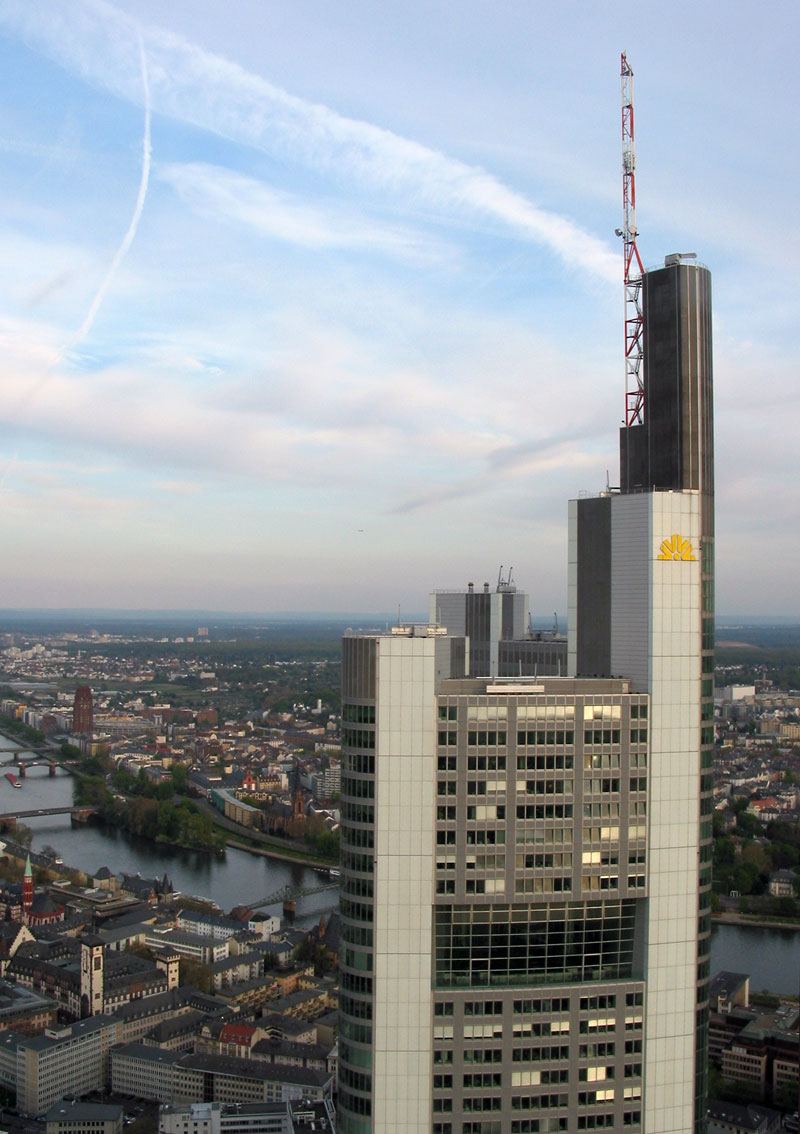
Italy’s UniCredit cleared the final regulatory hurdle to take control of Germany’s Commerzbank on Thursday, 26 November 2026, and immediately moved to install its own chief executive, Andrea Orcel, as chairman of the German lender’s supervisory board. Approval from Poland’s financial supervision authority, the KNF, was the last step needed, because Commerzbank owns 69 percent of Polish bank mBank. UniCredit asked Commerzbank to call an extraordinary general meeting and proposed replacing nine of the ten shareholder representatives on the supervisory board. The Italian bank will hold 47.6 percent of voting rights in Commerzbank once its offer settles, with the process expected to complete by 7 December.
What the Evidence Shows
UniCredit began building its stake in Germany’s second-largest listed bank in September 2024 and concluded a 39 billion euro offer in July 2026, securing effective control through derivative contracts and ending a takeover battle that lasted more than two years. The deal is Europe’s largest cross-border banking tie-up in nearly two decades and comes as the bloc’s authorities push for closer financial integration. UniCredit plans to keep Commerzbank separate from its German unit, HVB, until at least 2028 before merging them, and it agreed with Berlin last week to keep Commerzbank’s headquarters and listing in Frankfurt. Orcel would replace current chairman Jens Weidmann, a former Bundesbank chief. Reporting and analysis from sources such as Financial Times track the same developments, and specialists following UniCredit’s takeover of Commerzbank say the direction is now consistent across independent lines of evidence.
The Wider Context
The wider context is a financial system repricing risk after a long era of cheap money. Decisions shaped by UniCredit’s takeover of Commerzbank are being made under closer supervisory attention, with stress tests and disclosure rules that assume conditions can worsen quickly. Institutions that planned for the benign case are adjusting in public, which is uncomfortable and healthy in equal measure.
What Happens Next
What happens next with UniCredit’s takeover of Commerzbank will be visible first in the data that professionals watch weekly: flows, spreads and the terms on new deals. Participants who spoke for this article expect a period of adjustment rather than drama, with the biggest effects landing on those who assumed the old conditions were permanent. Planning, as ever, is the cheapest hedge. You can follow related developments in our coverage of finance.
None of this will be settled by a single announcement, study or product launch. The pattern to watch is accumulation: independent confirmations, honest reporting of failures and steady improvement in the underlying numbers. Readers who follow those signals, rather than the loudest claim of the week, will understand this subject better than most of the commentary surrounding it suggests is possible.
There is a practical lesson in all of this for readers deciding what to do today. Start with the verified facts, be wary of anyone promising certainty, and prefer reversible steps while the evidence is still developing. Circumstances differ by country, income and personal situation, so general guidance should always be weighed against your own context before you act on it in any significant or lasting way.
