

Introduction
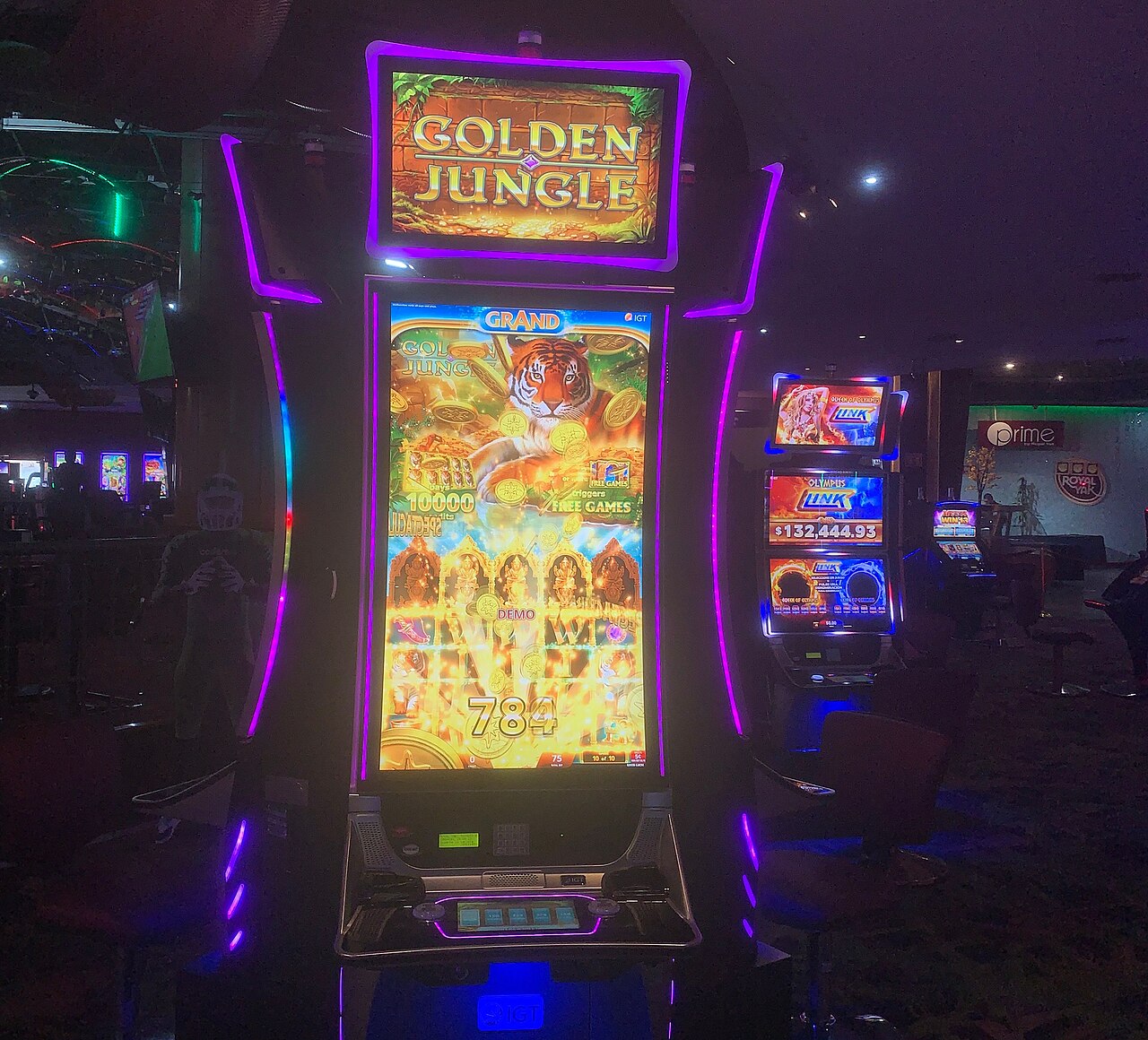
Slot games are among the most recognizable forms of digital entertainment. They have changed significantly since the first mechanical machines appeared more than a century ago. What began as a simple machine with spinning reels has developed into a large digital entertainment category featuring different themes, visual effects, sound designs, and interactive features.
Today, the keyword slot is commonly associated with both traditional machines and online gaming platforms. Modern versions use software to create game outcomes, display symbols, and manage different features. Understanding how these games work provides a clearer picture of their history, technology, and place in the entertainment industry.
This article explores the development of slot games, their design process, common features, software systems, and important considerations for users.
The Early History of Slot Machines
The history of slot machines began in the late nineteenth century. Early machines were mechanical devices containing reels, symbols, and a lever used to start the spinning process.
One of the best-known early machines was the Liberty Bell, developed by Charles Fey in the 1890s. It helped establish the basic design that influenced many later machines. Its simple reel system made the concept easy to understand.
As technology improved, manufacturers introduced new designs with additional symbols, improved mechanisms, and different ways to display results. Electrical components eventually replaced many mechanical systems, allowing machines to include more complicated features.
The transition from mechanical machines to electronic entertainment marked an important stage in the development of the industry.
How Modern Slot Games Are Developed
Creating a modern slot game involves several stages. Developers work together to produce the visual design, sound effects, software functions, and overall user experience.
The process generally includes the following steps:
1. Concept development
The development team begins with an idea. It may involve a particular theme, visual environment, or style of entertainment. The concept helps guide the rest of the project.
2. Visual design
Designers create the symbols, backgrounds, animations, buttons, and other visual elements. Their goal is to make the interface understandable and visually consistent.
3. Software development
Programmers build the system that controls the game's interface and functions. They also connect the visual elements with the underlying software.
4. Audio production
Sound designers create music, background effects, and interface sounds. Audio helps establish the atmosphere and supports the overall design.
5. Testing and review
Before release, developers test the software for technical problems, compatibility, and performance. Independent testing may also be required to verify fairness and compliance with applicable standards.
Common Types of Slot Games
Different slot games use different layouts and presentation styles. Their appearance and features can vary depending on the developer and platform.
Classic Slots
Classic slots usually feature a straightforward layout with a limited number of reels and symbols. Their appearance often takes inspiration from traditional machines.
Video Slots
Video slots use digital graphics and animations. They may include detailed backgrounds, themed symbols, and additional interface elements.
Progressive Jackpot Slots
Some games are connected to a progressive jackpot system. In these systems, a displayed prize may increase through contributions from participating games. However, the possibility of a large prize does not mean that winning is likely or guaranteed.
Multi-Reel Slots
These games use different reel arrangements and may offer several ways to display combinations. The layout can vary considerably between individual titles.
Themed Slots
Themed games are designed around particular subjects, such as mythology, nature, adventure, history, or fictional environments. Their artwork and sound effects are created to match the selected theme.
Understanding Random Number Generators
Random Number Generators, commonly called RNGs, are an important part of many digital slot games.
An RNG is a software system designed to produce unpredictable numerical results. The game uses these results to determine outcomes according to its programmed rules.
A properly implemented random system does not allow players to predict the next result by studying previous spins. For example, a particular symbol appearing several times does not mean that another symbol is now more likely to appear.
Independent testing and regulatory oversight can help verify whether a game operates according to its stated requirements. The exact standards depend on the jurisdiction and the type of product.
The Role of Game Developers
Game developers are responsible for creating the software and entertainment experience behind modern slot titles.
Different companies may specialize in particular areas, including:
Game mechanics and software programming.
Graphic design and animation.
Sound production.
Mobile and desktop compatibility.
Quality assurance and technical testing.
Platform integration.
A development company must consider both technical performance and user experience. A game should function correctly across supported devices while presenting its information in a clear and accessible way.
Graphics and Animation in Modern Games
Visual design has become an important part of digital slot development. Earlier machines relied on physical symbols, while modern versions can display detailed illustrations and animated environments.
Graphics may include moving backgrounds, character animations, transitions, and visual effects. These elements help communicate the game's theme and make the interface easier to recognize.
However, attractive graphics do not change the underlying probability of an outcome. Visual presentation should be understood as part of the entertainment design rather than an indication of better chances.
Mobile Technology and Slot Platforms
Mobile devices have changed how digital entertainment is accessed. Many modern gaming interfaces are designed to work on smartphones, tablets, and desktop computers.
Responsive design allows interface elements to adjust to different screen sizes. Developers also consider loading speed, button placement, readability, and device compatibility.
A well-designed mobile interface should provide clear information without making important details difficult to find.
Users should also pay attention to the security and legitimacy of any platform they visit. Unfamiliar websites may create privacy, payment, or data-security risks.
Important Game Information to Understand
Before interacting with any real-money gambling product, it is important to understand the information provided by the operator.
Some commonly displayed terms include:
Return to Player (RTP): RTP is a theoretical percentage describing the expected return across a very large number of game rounds. It is not a prediction of what an individual user will receive.
Volatility: Volatility describes the general pattern of possible outcomes. Different games may have different levels of variation.
Paytable: A paytable explains the symbols, combinations, and payout rules associated with a particular game.
Minimum and Maximum Stakes: These figures describe the permitted stake range, where applicable.
Reading this information can help users understand the product, but it cannot remove the financial risks associated with gambling.
Fairness, Security, and Regulation
Trust is an important issue in the online gaming industry. Users should be able to understand how a platform operates and how their information is handled.
Depending on local requirements, regulated operators may need to meet standards involving software testing, financial controls, data protection, and responsible gaming.
Some useful precautions include:
Check whether the operator is properly licensed in the relevant jurisdiction.
Read the platform's privacy and payment policies.
Avoid websites that make unrealistic promises.
Never share passwords or sensitive financial information with unknown parties.
Review the rules and conditions before using a service.
Regulations differ between countries and regions. Users should always follow the laws that apply where they live.
Myths and Misunderstandings About Slot Games
Several common misunderstandings surround digital slot games.
One popular belief is that a game becomes more likely to produce a particular result after a long series of different outcomes. In a properly functioning independent RNG system, previous results do not make a future result due.
Another misunderstanding is that a specific time or pattern can guarantee a favorable outcome. There is no reliable method for predicting random results.
It is also incorrect to assume that a game's graphics, theme, or popularity indicate its chances of producing a particular result. These features are separate from the mathematical system controlling outcomes.
Understanding these points can help prevent unrealistic expectations.
Responsible Gaming and Financial Awareness
Real-money gambling involves financial risk. There is no guaranteed way to make money from slot games, and users can lose the money they spend.
Responsible gaming means recognizing these risks and making informed decisions. People should never use money intended for essential expenses, borrow money to gamble, or treat gambling as a reliable source of income.
It is also important to respect minimum-age requirements and local laws. Anyone who feels that gambling is becoming difficult to control should consider stopping and seeking appropriate support.
The Future of Slot Game Technology
The digital entertainment industry continues to develop. New technologies may influence how games are designed, tested, and presented.
Artificial intelligence can support certain development tasks, such as testing and design assistance. Improved mobile hardware can provide smoother graphics, while accessibility tools may make interfaces easier for more people to use.
Virtual and augmented reality may also influence future entertainment experiences. However, technological improvements do not eliminate the financial risks of gambling or make random outcomes predictable.
Conclusion
Slot games have developed from simple mechanical machines into sophisticated digital entertainment products. Their evolution has involved changes in software, graphics, sound, mobile technology, and game design.
Understanding their history and technical features makes it easier to recognize how modern systems operate. Concepts such as RNG, RTP, volatility, and game testing provide useful information, but they should not be misunderstood as methods for predicting results.
Most importantly, real-money gambling should never be viewed as a guaranteed way to earn money. Users should understand the risks, follow local regulations, and make responsible decisions when engaging with digital entertainment.
