

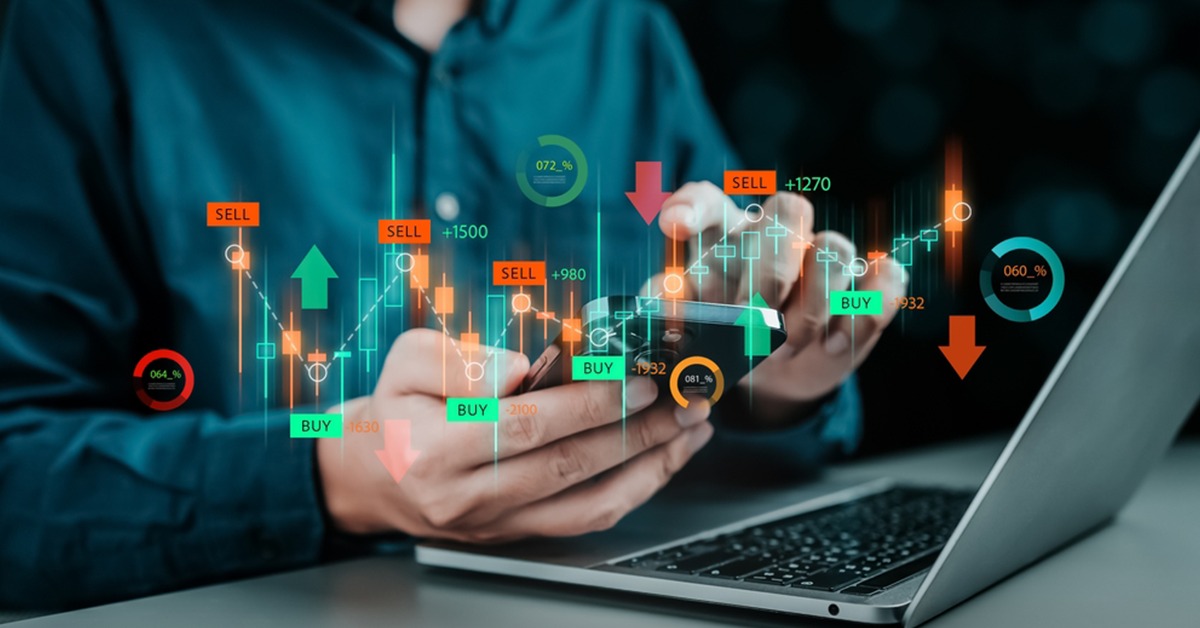
Raw market data can easily become a noisy, overwhelming mess if you are relying strictly on standard charting windows. Moving past basic retail interfaces often requires plugging your system directly into institutional data pipelines to filter out the static. Learning to bridge these advanced analytical tools with your execution screen changes how you read price velocity.
What exactly is an API feed, and why should a retail trader care?
Think of an Application Programming Interface, or API, as a highly secure digital bridge between separate pieces of software. Instead of clicking around a standard platform to manually check economic events, sentiment gauges, or order books, an API pushes that information straight into your custom workspace.
It functions much like an automated shipping pipeline, delivering raw data packages instantly without the visual clutter of a standard browser tab. Most casual market participants rely entirely on standard retail platforms, which can feel incredibly sluggish during high-impact news releases. Finding the best forex broker for mt5 that provides robust API integration changes the game entirely. This technical access allows you to pump clean, institutional-grade pricing streams into your personal analytics software, cutting down execution delays and keeping your data pure.
How do custom analytics tools improve my daily decision-making?
Standard price charts show you what happened in the past, but they rarely give you a clear look at why the price moved that way. External analytics software acts like a high-powered X-ray machine, breaking down the internal mechanics of a price bar into order flow imbalances and volume profiles.
By routing a continuous data stream into these specialized diagnostic tools, you can easily spot where major institutional buyers are actually placing their orders. This approach removes a massive amount of guesswork from your daily routine. Instead of staring blankly at moving averages, you get to observe actual market participants interacting in real-time. This deeper insight helps you separate a minor, insignificant price twitch from a genuine structural shift in the market trend.
Is setting up these data connections incredibly complicated?
It definitely sounds like intimidating software development work at first glance, but modern interfaces have made the entire bridging process surprisingly smooth. You do not need a computer science degree or extensive programming knowledge to build a reliable trading workspace anymore.
The process usually kicks off in your broker’s secure client portal, where you will generate a unique string of characters called an API key. This key functions exactly like a digital valet ticket, letting your external analytics program fetch market data securely without exposing your main password. Once you paste that key into your analytical software, the data streams link up automatically within seconds. It is a quick, one-time configuration that builds an advanced, professional-grade trading cockpit.
How do I handle latency issues once my tools are fully connected?
Plugging multiple complex analytical tools into a single connection can occasionally bottleneck your local internet speed, resulting in data lag. If your charting software is processing a million calculations a second on an old laptop, you will see delayed price updates.
To bypass this lag, many intermediate traders run their setups on a Virtual Private Server (VPS) located right next to the broker’s data facility. This keeps your data stream running smoothly around the clock, even if your home Wi-Fi starts acting up. Keeping your workspace lightweight by stripping away unneeded indicators also preserves valuable processing power. You want your data to flow like clean tap water, not like molasses during volatile trading sessions.
Can connecting these feeds help me understand the risks of leverage?
Absolutely, because a live analytics feed takes the abstract concept of margin and translates it into cold, hard numbers on your dashboard. When you look at your exposure through an advanced data lens, you see the exact point where a volatile swing could damage your capital.
Many traders jump into major positions without realizing what is leverage in trading until a sudden margin call wipes them out. External analytics tools can continuously run real-time stress tests on your open trades based on current market volatility. These automated calculations show you precisely how much breathing room your account has before things turn critical. Having that visual data front and center stops you from taking reckless positions out of greed or panic.
What is the biggest mistake traders make with advanced data feeds?
The most common trap is over-complicating the system until you find yourself completely paralyzed by data overload. Connecting five different sentiment trackers, order flow heatmaps, and algorithmic oscillators will inevitably lead to conflicting signals.
One tool might scream buy while another orders you to sell, leaving you totally stuck in place. Remember that data integration is meant to streamline your view of the market, not make it more confusing. Pick one or two external feeds that genuinely complement your core trading philosophy and turn off the rest of the noise. The goal is always clear, decisive execution, not building the world’s most complicated layout.
Your Technical Edge Protocol
Elevating your data interpretation requires treating your trading platform like a synchronized data hub. Start by sourcing a clean API key from a secure, well-regulated broker, and plug that connection into a single, high-performing analytics tool. Keep your setup lean to avoid technical lag, and use the real-time feedback to monitor your leverage and margin risks objectively. By mastering the data pipelines behind the charts, you strip the emotion out of your daily execution and base your trades on visible market liquidity.
