

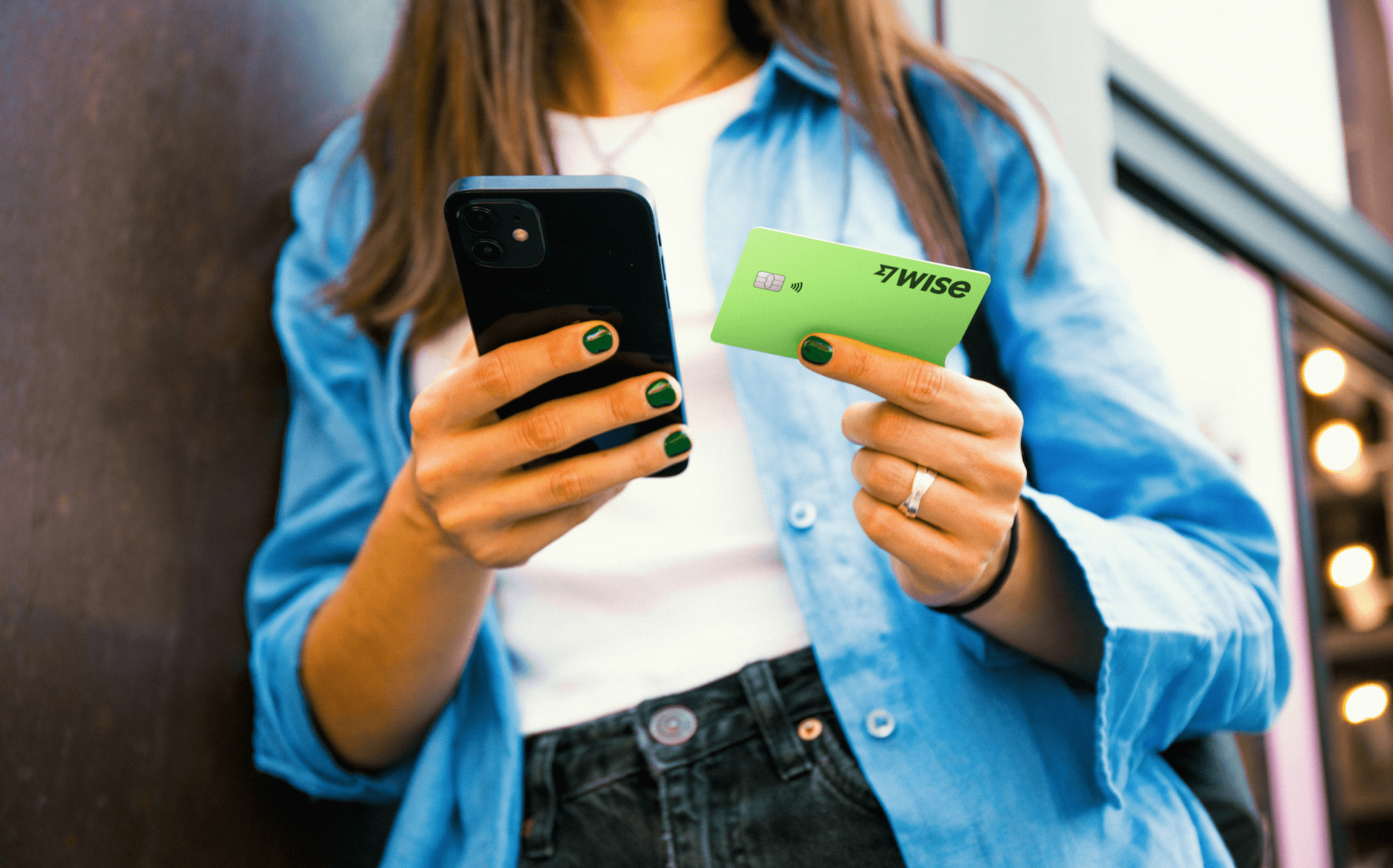
The days of cash transactions are long gone in Kuwait. Today, the country has been fully digitalized, from buying groceries to paying electricity bills, sending money abroad, and subscribing to online platforms. Kuwait has become the Gulf’s most digitally connected financial market.
At the center of this ecosystem is K-Net. It’s Kuwait’s national electronic payment system. You can connect it to your bank alongside the global payment giants like Visa, MasterCard, and American Express. Digital wallets like Skrill, Neteller, and MuchBetter are also on the rise, with the new establishment of the local e-wallet, AZ e-Wallet, becoming increasingly common for local transfers as well as international ones, including casino-related transactions. At the center of it all is cryptocurrency, the most decentralized and anonymous.
KNET: The Backbone of Daily Payments in Kuwait
When talking about local transactions within the country, there is no payment method more important than KNet. This local debit card network is deeply integrated into Kuwaitis’ everyday lives and dominates online transactions in the country.
The majority of people use it to pay their electricity and water bills, mobile phone subscriptions, food delivery orders, government services, fuel, restaurant invoices, and online shopping purchases. KNet remains the preferred option for many residents because you can easily connect it to your local bank, and it is supported by Kuwait’s banking sector as well as nearly every e-commerce platform in the country.
However, if you wish to pay on international online sites, that is where KNet becomes limited.
Visa, Mastercard, and American Express Still Dominate International Spending
While KNet dominates the local market, international cards from global companies like Visa, MasterCard, and American Express still dominate international spending, such as travel bookings, airline tickets, hotel reservations, international streaming subscriptions, online shopping at global stores, App Store purchases, Play Store purchases, and, of course, any overseas transaction.
Most local Kuwaiti banks, such as NBK, Commercial Bank, and others, issue debit and credit cards linked to the Visa and MasterCard networks, which gives users the flexibility to pay both locally and internationally. American Express is slightly less common for day-to-day purchases. It is more often used for larger amounts and luxury purchases.
While KNet provides more affordability in terms of fees, it does not outrank these financial giants when it comes to international transfers.
As far as security goes, these e-wallets are extremely secure. Often, user data is encrypted via Secure Socket Layer (SSL), and there is two-factor authentication, as well as AI-powered fraud monitoring in real time. These e-wallets are all regulated under the Financial Conduct Authority, and they follow anti-money laundering protocols along with mandatory know-your-customer procedures, making them some of the safest online digital payment platforms for Kuwaitis.
Az-eWallet: Kuwait’s Local Digital Wallet Alternative
As mobile culture continues to expand in Kuwait, local wallets such as AZ eWallet are expected to compete more aggressively with international providers, especially in QR payments, instant transfers, merchant payments, and digital lifestyle services.
These local wallets are increasingly designed to simplify domestic transfers and mobile-based payments while still integrating with Kuwait’s banking environment, which may perhaps be their only downside, as it could limit access to certain industries for Kuwaitis, particularly platforms such as offshore online casinos.
Voucher Systems and Prepaid Payments
Vouchers have also been growing in popularity in Kuwait. They are a form of on-the-go payment if you are at a mobile store or just happen to be browsing a store online that is selling vouchers. These vouchers are commonly used for PlayStation Store purchases, Netflix subscriptions, other subscriptions, in-app purchases, gift cards, and various online services.
They are not the most practical payment method, and they do not usually have high limits, with the maximum often being around $500. Nevertheless, they are convenient in case there is something specific you wish to buy, or if you happen to come across a voucher and decide to purchase it.
For some users, vouchers also provide additional privacy and budgeting control, especially when making purchases on entertainment or gaming websites. However, their downside remains that you cannot withdraw money using such methods.
Cryptocurrency Is Slowly Entering the Conversation
Cryptocurrencies are more than just an international payment method. They are also digital investments. Many Kuwaitis use them for online trading, whether by purchasing Bitcoin or even a fraction of it and leaving it to mature and increase in value, similar to stock trading.
Apart from that, cryptocurrency has now become one of the most widely used payment methods Kuwait across online platforms, especially for those who seek privacy, exceptionally high limits with low fees, and fast transactions.
Due to their decentralized nature and anonymous spending, governments in several countries have been trying to regulate cryptocurrency more strictly. In Kuwait, anonymity still exists, but within a developing regulatory environment, as most daily retail spending continues to rely on conventional banking systems. This means you still have to deposit into your crypto account via your bank and withdraw funds back to your bank account.
In other countries, though not yet in Kuwait, you may even have to verify the sender and provide details about who sent the money and why they are sending it to you. As a result, in some countries, cryptocurrency is gradually losing its decentralized and anonymous nature.
Kuwait’s Payment Future Is Becoming Fully Digital
Kuwait’s payment culture is moving steadily toward a fully digital future. KNET remains the national backbone for domestic transactions, while Visa and Mastercard connect users to the international economy. At the same time, e-wallets, vouchers, and cryptocurrencies are expanding the range of options available to consumers.
What once required cash can now be handled instantly through a smartphone — whether paying a utility bill, splitting dinner with friends, transferring money abroad, shopping online, or funding entertainment accounts.
The result is a payment ecosystem that combines strong local banking infrastructure with increasingly global digital finance trends.