

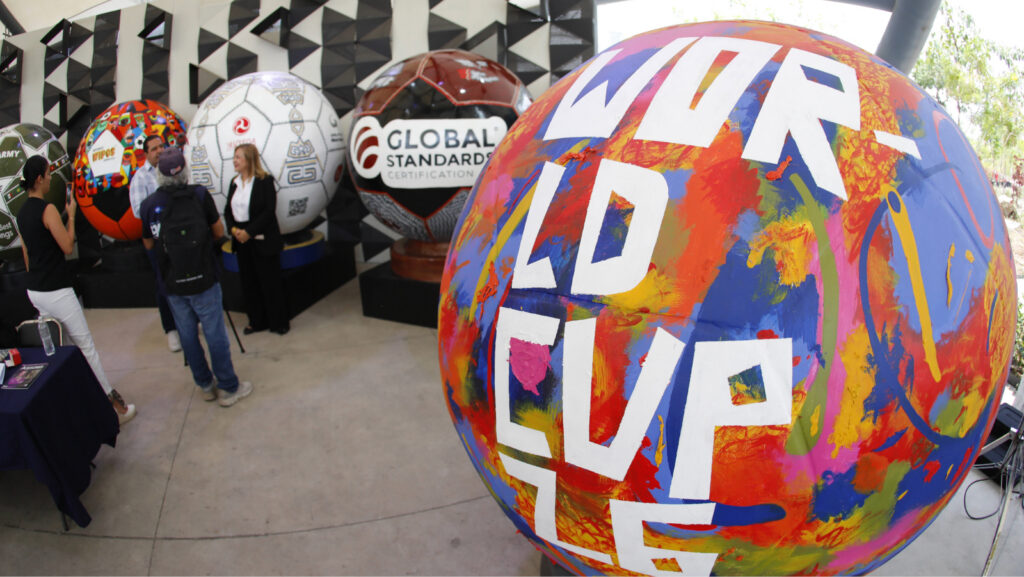
The landscape of international football is on the cusp of its most significant transformation in decades. As the globe turns its attention toward North America, the world cup 2026 stands as a watershed moment that will redefine how the beautiful game is played, organized, and consumed. Jointly hosted by the United States, Canada, and Mexico, this tournament is not merely an expansion of the previous format; it is a fundamental restructuring of the sport’s premier event. By increasing the number of participating nations and spreading the competition across three diverse countries, FIFA is setting the stage for a new era of global football.
The Expansion: A New Competitive Format
The most immediate change brought by the world cup 2026 is the expansion from 32 teams to 48. This decision has sparked intense debate among fans and analysts alike, but the operational reality is clear: the tournament will feature more matches, more nations, and a vastly different tournament bracket.
With 104 matches scheduled, the logistical undertaking is unprecedented. The shift to a 48-team format means that smaller footballing nations, which have historically struggled to qualify, will now have a legitimate path to the global stage. This inclusivity aims to grow the sport in non-traditional football markets, potentially uncovering new talent and fostering competitive parity. While critics argue that the quality of play may become diluted in the group stages, proponents suggest that the increased stakes for every match will drive higher intensity from the outset.
A Tri-Nation Logistical Masterpiece
Hosting a tournament of this magnitude across three countries is a feat of modern infrastructure. The world cup 2026 will utilize 16 host cities, creating a unique “continental” feel that has never been attempted on this scale.
- Diverse Climates and Venues: Players will face the challenge of traveling across different time zones and adapting to varying environmental conditions, from the heat of Mexico to the temperate stadiums of Canada and the massive arenas across the United States.
- Infrastructure Legacy: Host cities are currently undergoing major upgrades to transport links and stadium technology, ensuring that the legacy of the tournament will benefit local communities long after the final whistle blows.
- Fan Engagement: The sheer geographical spread allows for a massive influx of international tourism, providing a unique cultural exchange that is central to the spirit of the FIFA tournament.
More information on the host cities and schedule can be found at the official FIFA website.
The Economic and Cultural Impact
Beyond the pitch, the world cup 2026 is expected to be an economic juggernaut. International football is a massive industry, and the North American market provides a unique platform for commercial growth. The tournament will likely see record-breaking viewership numbers, driven by the participation of nations that have not qualified in years, thereby tapping into new fan bases.
Furthermore, the tournament serves as a cultural catalyst. In the United States, where the growth of Major League Soccer (MLS) continues to accelerate, the event is expected to cement football’s position as a premier spectator sport. By bringing the world’s best players to iconic venues like the MetLife Stadium and the Estadio Azteca, the tournament bridges the gap between different footballing cultures, creating a shared experience that transcends borders.
Conclusion
The world cup 2026 represents far more than just a series of matches; it is a structural and cultural evolution of international football. Through its expansion to 48 teams, the tournament promises to bring greater diversity and opportunity to nations that have long waited for their moment in the spotlight. Simultaneously, the logistics of a three-nation host model push the boundaries of what is possible in sports administration.
While the change in format brings new challenges—ranging from travel fatigue for teams to the complexity of fan movement—the potential for growth and global unity is immense. As we look ahead, it is clear that the 2026 tournament will serve as the benchmark for all future sporting events. By embracing this change, FIFA is ensuring that the beautiful game continues to evolve, staying relevant and exciting for a new generation of supporters worldwide. The road to 2026 is officially open, and the world is watching.
How World Cup 2026 Will Change International Football
The landscape of international football is on the cusp of its most significant transformation in decades. As the globe turns its attention toward North America, the world cup 2026 stands as a watershed moment that will redefine how the beautiful game is played, organized, and consumed. Jointly hosted by the United States, Canada, and Mexico, this tournament is not merely an expansion of the previous format; it is a fundamental restructuring of the sport’s premier event. By increasing the number of participating nations and spreading the competition across three diverse countries, FIFA is setting the stage for a new era of global football.
The Expansion: A New Competitive Format
The most immediate change brought by the world cup 2026 is the expansion from 32 teams to 48. This decision has sparked intense debate among fans and analysts alike, but the operational reality is clear: the tournament will feature more matches, more nations, and a vastly different tournament bracket.
With 104 matches scheduled, the logistical undertaking is unprecedented. The shift to a 48-team format means that smaller footballing nations, which have historically struggled to qualify, will now have a legitimate path to the global stage. This inclusivity aims to grow the sport in non-traditional football markets, potentially uncovering new talent and fostering competitive parity. While critics argue that the quality of play may become diluted in the group stages, proponents suggest that the increased stakes for every match will drive higher intensity from the outset.
A Tri-Nation Logistical Masterpiece
Hosting a tournament of this magnitude across three countries is a feat of modern infrastructure. The world cup 2026 will utilize 16 host cities, creating a unique “continental” feel that has never been attempted on this scale.
- Diverse Climates and Venues: Players will face the challenge of traveling across different time zones and adapting to varying environmental conditions, from the heat of Mexico to the temperate stadiums of Canada and the massive arenas across the United States.
- Infrastructure Legacy: Host cities are currently undergoing major upgrades to transport links and stadium technology, ensuring that the legacy of the tournament will benefit local communities long after the final whistle blows.
- Fan Engagement: The sheer geographical spread allows for a massive influx of international tourism, providing a unique cultural exchange that is central to the spirit of the FIFA tournament.
More information on the host cities and schedule can be found at the official FIFA website.
The Economic and Cultural Impact
Beyond the pitch, the world cup 2026 is expected to be an economic juggernaut. International football is a massive industry, and the North American market provides a unique platform for commercial growth. The tournament will likely see record-breaking viewership numbers, driven by the participation of nations that have not qualified in years, thereby tapping into new fan bases.
Furthermore, the tournament serves as a cultural catalyst. In the United States, where the growth of Major League Soccer (MLS) continues to accelerate, the event is expected to cement football’s position as a premier spectator sport. By bringing the world’s best players to iconic venues like the MetLife Stadium and the Estadio Azteca, the tournament bridges the gap between different footballing cultures, creating a shared experience that transcends borders.
Conclusion
The world cup 2026 represents far more than just a series of matches; it is a structural and cultural evolution of international football. Through its expansion to 48 teams, the tournament promises to bring greater diversity and opportunity to nations that have long waited for their moment in the spotlight. Simultaneously, the logistics of a three-nation host model push the boundaries of what is possible in sports administration.
While the change in format brings new challenges—ranging from travel fatigue for teams to the complexity of fan movement—the potential for growth and global unity is immense. As we look ahead, it is clear that the 2026 tournament will serve as the benchmark for all future sporting events. By embracing this change, FIFA is ensuring that the beautiful game continues to evolve, staying relevant and exciting for a new generation of supporters worldwide. The road to 2026 is officially open, and the world is watching.
