

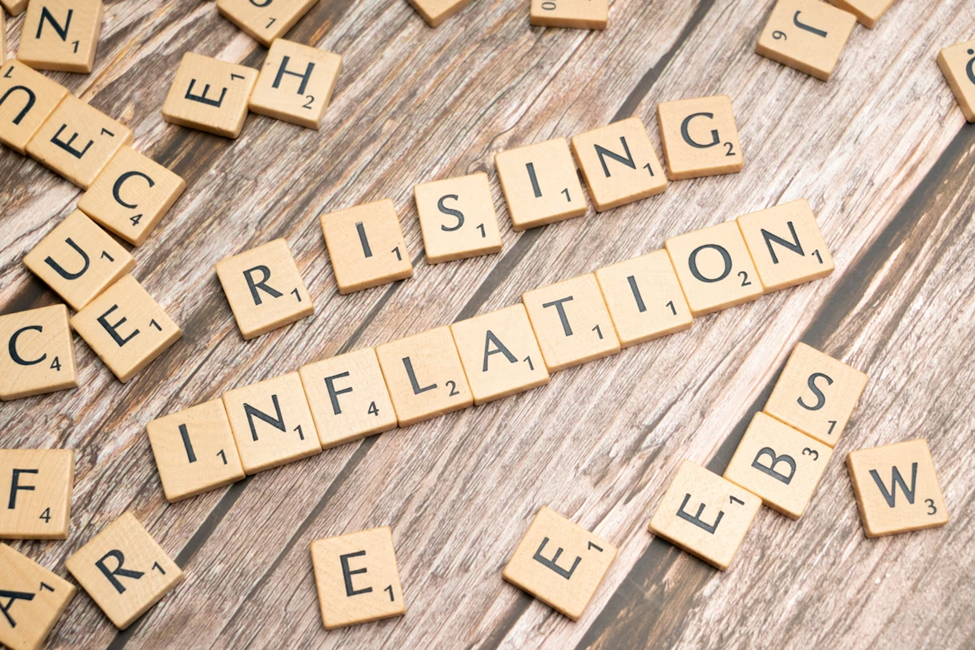
The growing costs have made many Aussies reassess their financial plans. The problem is that the growing rate of inflation eats your earnings gradually. If your money is lying idle in the usual bank account that provides minimum interest, you are losing them by the day. Ensuring that your funds are safely invested is crucial in order to sustain your financial security. Here we discuss different types of financial products and find out which one would be better during the time of growing prices.
Accounts That Offer Protection From Inflation
In order to avoid getting poorer, one has to choose the most appropriate type of account.
High Yield Savings Accounts
ING’s compound interest savings account and similar offer the highest possible interest rate among the usual transaction accounts. You may get additional benefits by receiving extra money during certain terms and getting bonuses if you regularly deposit the money. While your gains won’t outpace the peak rates of inflation, they considerably reduce its effect. At the same time, you can easily withdraw the sum if needed due to high liquidity of the funds.
Money Market Accounts
Despite the name confusion, there are several differences between the usual saving accounts and money markets accounts. While they have almost the same requirements concerning the interest rate and minimum deposits, the minimum required balances of the latter are usually much higher. However, in exchange, they offer relatively good interest rates depending on market conditions.
Certificates of Deposit
Also known as term deposits in Australia, these instruments lock your money in the bank for a specific period of time with the fixed interest rate. As a result, the bank rewards you with a rather high yield for keeping the funds for this certain period. You won’t be able to withdraw the money until the time expires, and the penalty fee is charged for this action. Such locking gives excellent results when protecting yourself from inflation.
Investment Accounts
Placing assets into such types of accounts provides the greatest opportunity to keep up with inflation. It happens because companies usually have the right to increase their prices proportionally to the inflation, which leads to growing stock prices. Nevertheless, the downside of investment accounts is that they include great risks due to unpredictable market trends.
What to Consider When Picking an Account
Choosing the most appropriate account presupposes analysing several criteria.
Interest Rate vs. Inflation Rate
The first thing to do before choosing the type of the bank account you should check if it offers sufficiently high-interest rate compared to the country’s inflation rate. The goal is to get a sum that equals the inflation rate in order to stay even. Otherwise, you should expect your money to shrink, and closing the gap may take quite a lot of risks.
Accessibility
It is crucial to think whether you really need your money immediately. Placing all of them in a five-year term deposit means that you will lose if an urgent issue appears. Thus, you should leave enough liquid cash in a savings account and use restricted accounts exclusively for your long-term goals.
Risk Tolerance
The last thing you need to consider is the willingness to face risks. The conservative approach assumes that you should keep your savings in government-guaranteed deposit accounts. On the other hand, if you can afford to wait until the time comes, the fluctuating stock market is worth considering.
Transaction Fees
Monthly maintenance fee or any transaction fees may ruin your gains pretty quickly, so be sure to check them in advance.
All in All
Growing inflation calls for prompt actions from you. Idling your savings will eventually decrease their buying power, and you have to take measures. Analyse your current accounts’ performance, compare different interest rates and place the funds into more profitable financial instruments.
