

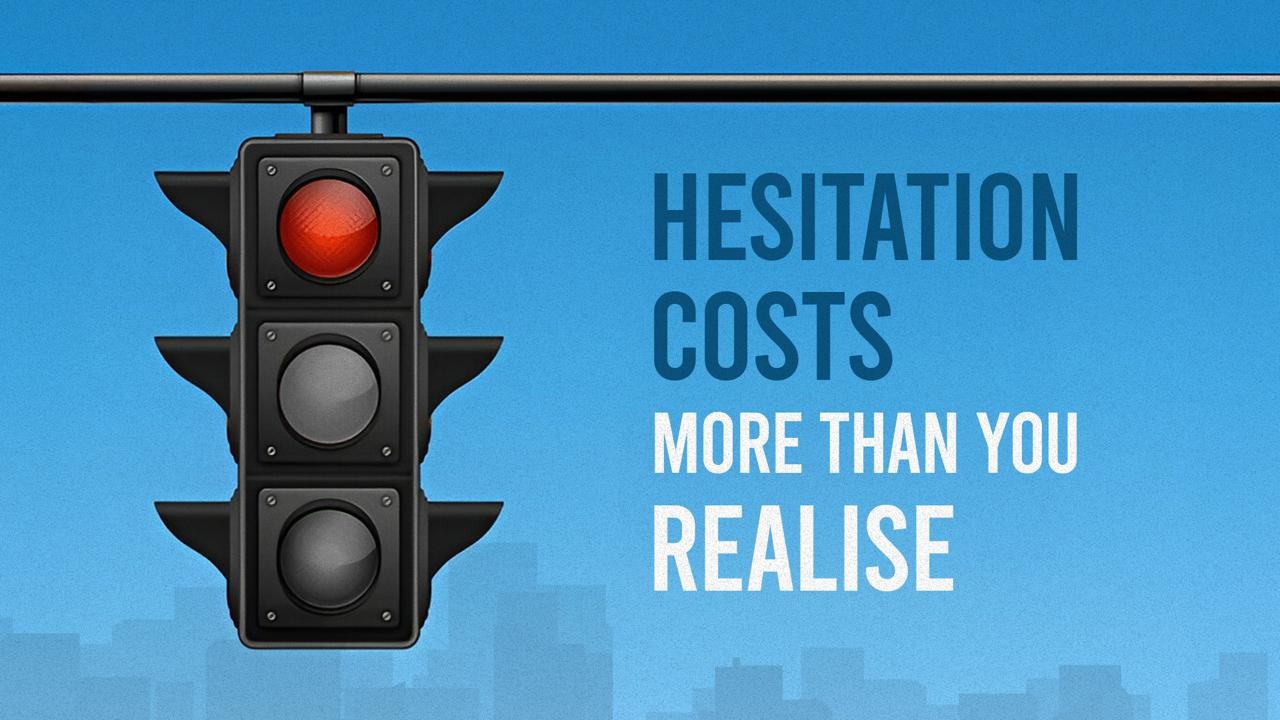
Speed Feels Good. Accuracy Wins.
Business culture rewards speed. Quick replies. Fast launches. Instant decisions. It looks efficient. It feels productive.
It is often wrong.
A Harvard Business Review study found that managers under time pressure make up to 36% more errors. Fast decisions skip steps. They ignore risk. They rely on instinct instead of clarity.
Slowing down is not about doing less. It is about doing things right the first time.
The Hidden Cost of Moving Too Fast
Mistakes Multiply Quickly
Fast decisions create slow problems.
A rushed hire leads to months of misalignment. A rushed product creates returns and complaints. A rushed strategy leads to expensive corrections.
One operations lead described it clearly: “We saved two weeks on planning and spent six months fixing the outcome.”
That trade-off happens often.
Speed Hides Weak Thinking
Urgency creates noise. People stop asking questions. They move forward without full understanding.
Slowing down forces clarity.
It asks:
What are we solving?
What are we assuming?
What happens if we are wrong?
Those questions improve outcomes.
What Slowing Down Actually Means
Slowing down does not mean inactivity. It means control.
It means creating space between input and action. It means thinking before committing.
Nitin Bhatnagar Dubai once shared during a project review, “The most expensive decisions I’ve seen were the ones made to save time, not to create value.”
That insight applies across industries.
Better Decisions Start With Better Questions
Pause Before Commitment
Fast teams ask, “Can we do this?”
Effective teams ask, “Should we do this?”
That shift changes everything.
Before acting, strong decision-makers pause and test assumptions.
They look for weak points. They challenge their own ideas.
Reduce Decision Volume
More decisions do not mean better performance.
McKinsey research shows that top-performing leaders make fewer decisions, but with higher accuracy.
They filter noise. They focus on what matters.
Fewer decisions, done well, outperform constant activity.
Risk Becomes Clear When You Slow Down
Details Surface With Time
Risk hides in details.
Contracts. Costs. Dependencies. Timelines.
Rushed reviews miss these elements. Slower reviews expose them.
A PwC report found that projects with rushed approval stages are 50% more likely to exceed budgets.
Time spent early prevents loss later.
Second Pass Thinking Works
Strong operators revisit decisions before finalizing them.
They wait. They re-check. They invite input.
One founder shared a simple rule: “If it matters, it waits one night.”
That pause catches mistakes.
Slower Leaders Build Stronger Teams
Calm Creates Clarity
Teams copy leadership behavior.
Fast leaders create stress. Slower leaders create focus.
When leaders slow down, teams think more clearly. They raise concerns earlier.
Google research found that psychological safety is the strongest predictor of team performance.
Slowing down supports that environment.
Listening Takes Time
Important ideas do not always come first.
They appear after discussion. After reflection.
Leaders who rush miss these insights. Leaders who pause capture them.
As one manager put it, “The best idea in the room often shows up last.”
Speed Drives Burnout. Slowness Sustains Performance
Burnout Reduces Decision Quality
Constant urgency drains energy.
The World Health Organization recognizes burnout as a workplace issue that affects performance and focus.
Gallup reports that burned-out employees show up to 25% lower productivity.
Fatigue leads to poor decisions.
Sustainable Pace Improves Output
A steady pace supports better thinking.
Teams that work with rhythm perform better over time.
Consistency beats bursts of speed.
How to Slow Down Without Losing Momentum
1. Build Decision Buffers
Create space before final decisions.
Avoid approving major actions in the same meeting they are proposed.
Time improves clarity.
2. Separate Urgent From Important
Not everything urgent matters.
Identify what requires immediate action and what requires thought.
Protect time for high-impact decisions.
3. Limit Inputs
Too much information creates confusion.
Focus on key data points.
Clarity comes from fewer, better inputs.
4. Encourage Dissent
Invite opposing views before final decisions.
Ask someone to challenge assumptions.
Better ideas survive scrutiny.
5. Review Outcomes
After decisions, review results.
What worked. What failed. Why.
Learning improves future judgment.
Real-World Examples of Slowing Down
One company delayed a product launch to test usability. Returns dropped. Customer satisfaction improved.
Another team paused hiring to redefine roles. Turnover decreased. Productivity increased.
These outcomes came from restraint, not speed.
Why Slowing Down Feels Difficult
Speed feels like control. Slowing down feels risky.
Leaders worry about missing opportunities. They fear appearing indecisive.
In reality, rushed decisions create more risk.
As Bhatnagar noted after shelving a project, “Waiting felt uncomfortable, but fixing a bad decision would have been worse.”
That trade-off defines smart leadership.
What This Means for Modern Business
Business complexity is increasing.
More data. More variables. More pressure.
Fast instincts struggle in this environment.
Leaders who slow down gain advantage. They see patterns. They reduce errors. They build stronger systems.
The market rewards accuracy over speed.
Final Thoughts
Slowing down is not about moving less. It is about thinking better.
Better questions. Better timing. Better results.
Fast decisions feel productive. Slow decisions create value.
In a world built on urgency, the ability to pause is a competitive advantage.
And the leaders who master it make better decisions, more consistently.
