

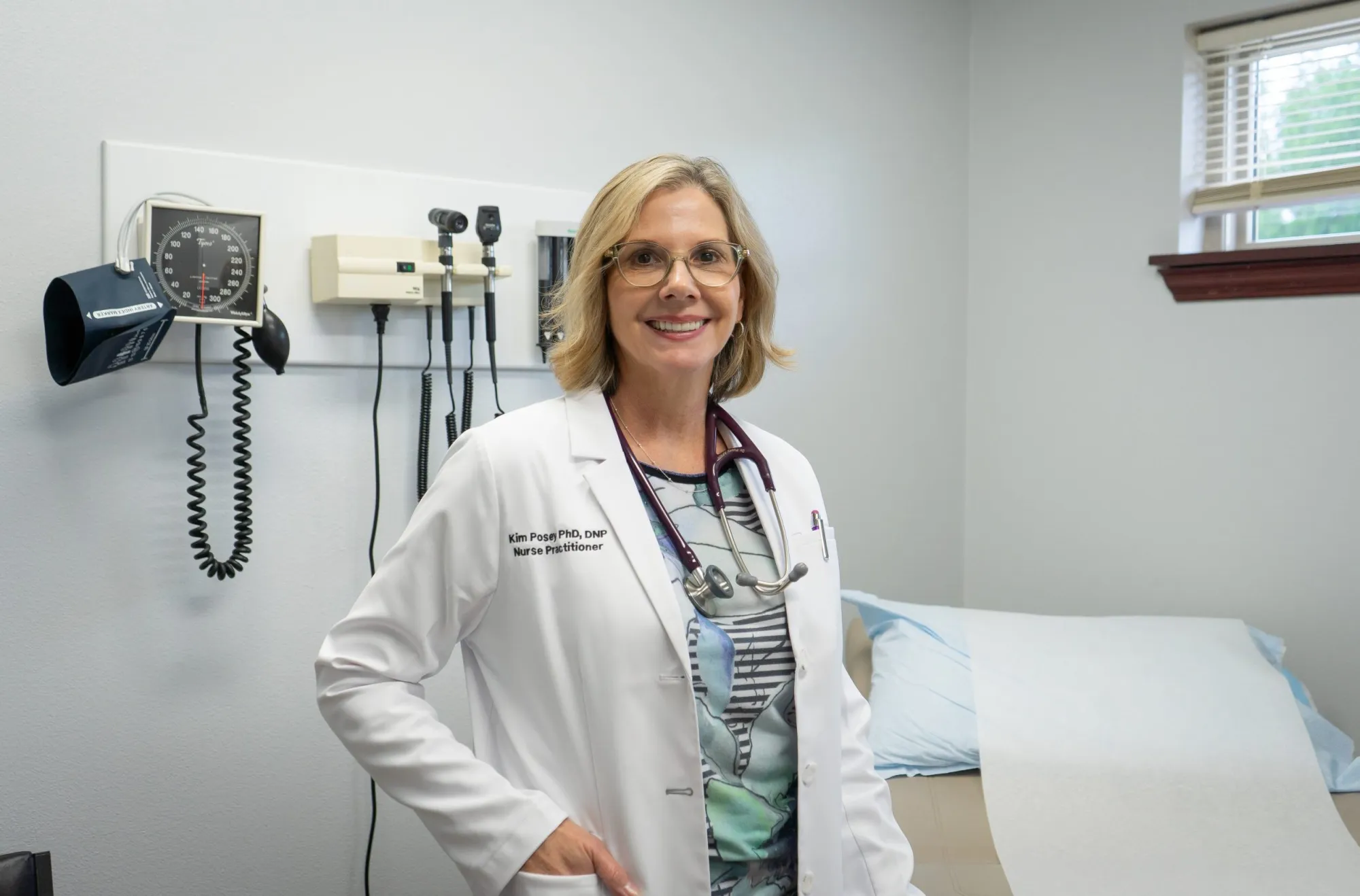
The Shift in Primary Care
More people are turning to nurse practitioners (NPs) for care. It’s not just about wait times or access. It’s about trust.
In the past, most people thought they had to see a doctor for any medical issue. That’s changing. Patients are realizing NPs are just as qualified for many health needs—and often more available.
According to the American Association of Nurse Practitioners, there are now over 385,000 licensed NPs in the U.S. More than 70% work in primary care. They treat illness, manage chronic conditions, order tests, and prescribe medication. In many cases, they do this without needing direct physician supervision.
Why Patients Trust NPs More Today
Better Access
NPs are often the ones running local clinics, school-based centers, or urgent care walk-ins. Many work in underserved neighborhoods and rural areas where no doctors are available.
Patients trust who they can reach. If you can get seen this week instead of next month, that builds loyalty.
More Time With Patients
Most patients say NPs spend more time during appointments. They listen. They explain things in plain language. That sticks.
One patient said their NP took the time to draw out a plan on paper. “She didn’t rush. She walked me through every number in my bloodwork. That’s never happened at any doctor’s office.”
That kind of interaction builds real trust.
Patient Outcomes Are Solid
The data shows that NPs provide care equal to or better than physicians for many common conditions.
A review in the Journal for Nurse Practitioners showed that NP-led care matched MD-led care in clinical outcomes, patient satisfaction, and chronic disease control. For diabetes, hypertension, and asthma—NPs are right there on the front lines, delivering consistent results.
Community Integration
NPs are often from the communities they serve. That matters. In smaller towns and working-class cities, people want providers who understand their lives, not just their charts.
QuickMed CEO Lena Esmail has seen this firsthand. Her team staffs school-based clinics and urgent care centers in Ohio. Many of those NPs are local.
“We had a mom bring her daughter in for a rash,” Esmail said. “The NP lived in that same neighborhood. That’s what made the mom say, ‘We’ll come back here every time.’”
When care is rooted in community, trust grows naturally.
Stats That Back It Up
- 1.02 billion patient visits were handled by nurse practitioners in the last decade.
- In one survey, 96% of patients rated NP care as excellent or good.
- States with full-practice authority for NPs report higher care access in rural regions.
- NP-run clinics often have lower no-show rates due to flexible scheduling and better patient relationships.
Trust isn’t built with ads. It’s built with repeat care that works.
The Roadblocks Still in the Way
Even with rising trust, NPs still face challenges.
Restrictive Practice Laws
In 24 states, NPs are still required to work under physician oversight. That limits how much care they can provide, even if fully trained.
These rules don’t improve safety. They just slow things down and reduce options for patients.
Insurance Bias
Some insurance plans pay lower rates for NP services, even if the care is the same. That discourages clinics from using them as lead providers.
Public Confusion
Many people still don’t understand what NPs actually do. They assume an NP is a nurse, not a provider. That’s changing, but slowly.
Burnout and Staffing Shortages
NPs are carrying a heavier load in the wake of the physician shortage. Some clinics are understaffed. That leads to longer hours and less backup.
What Needs to Happen Next
1. Full Practice Authority in All States
Let NPs practice without outdated rules. Twenty-six states already allow it. The rest should catch up.
Action: If you’re a policymaker, support scope-of-practice reform. If you’re a patient, talk to your local reps about it.
2. Clear Public Education
Patients need to know that seeing an NP is not second-tier care. Clinics, schools, and health systems can do more to explain NP roles.
Action: Post clear bios at clinics. List credentials and services. Make the difference easy to understand.
3. Payment Parity
Insurers should reimburse NP care at the same rate as physician care for the same service. That supports clinic sustainability and fairness.
Action: Employers and benefit planners can push for plans that don’t penalize NP visits.
4. Stronger Career Pipelines
Support training programs that help nurses become NPs. That means more funding, more clinical placements, and more incentives to work in high-need areas.
Action: Health systems and universities can partner to build those pathways.
How Trust Will Keep Growing
The shift toward NPs isn’t a trend. It’s a response to a broken system.
People trust nurse practitioners because they’re accessible, consistent, and real. They often show up where nobody else will. They meet patients in schools, in clinics, in rural towns, and underfunded districts.
When patients walk in and get help fast, trust builds. When they leave with a care plan that makes sense, it sticks. When they come back and see the same provider, the relationship deepens.
That’s how trust is built—in real time, one visit at a time.
Final Thought
Healthcare trust is earned, not assumed. Nurse practitioners are earning it every day.
The system needs more of them. Patients already know it. It’s time policy and payment systems catch up.
This is how we rebuild access. Not with big headlines. With consistent care that shows up, listens, and works. And right now, nurse practitioners are leading that shift.
