


In the competitive world of modern business, customer feedback is the fuel for growth. However, there is a thin line between being a brand that listens and a brand that annoys. We have all experienced the frustration of a 20-minute survey appearing when we are in a hurry, or receiving three follow-up emails for a single $10 purchase. To build a sustainable feedback loop, companies must master the art of the “Micro-Interaction”—gathering high-value insights through low-friction methods.
The Psychology of Feedback: Timing is Everything
The most effective way to collect data without driving people away is to respect their time and mental energy. The best feedback is captured at the “peak” of the experience, not days later when the memory has faded.
- The Post-Purchase Nudge: Instead of a long form, use a single-question survey immediately after a transaction.
- The Milestone Celebration: Ask for feedback when a customer hits a specific goal or milestone within your service.
- The Exit-Intent Pulse: If a user is leaving a page without converting, a quick “What stopped you today?” can yield more insight than a month of analytics.
Strategies for Unobtrusive Data Collection
To keep your audience engaged, you must diversify your collection methods. Relying solely on emails often leads to “survey fatigue.” Consider these alternatives:
- In-App Widgets: Use non-intrusive sidebars or bottom-corner pop-ups that allow users to leave a rating in one click.
- Incentivized Honesty: Offer a small, genuine reward (like a discount on the next order) in exchange for a 30-second survey.
- Community Listening: Monitor social media and review platforms for unsolicited feedback, which is often the most honest.
Industry-Specific Feedback: The Manufacturing Edge
For sectors with long sales cycles and complex logistics, the feedback process needs to be even more specialized. In the industrial sector, “one-size-fits-all” surveys rarely capture the technical nuances of a client’s needs.
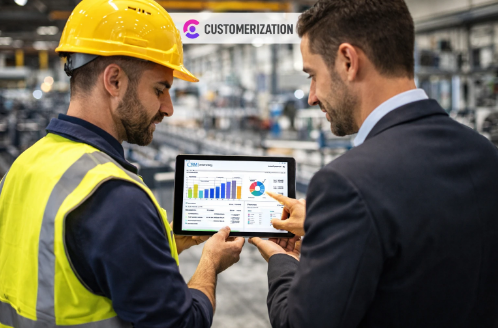
A high-performance crm for manufacturing company allows you to automate feedback requests based on specific production milestones. For instance, once a custom order is shipped or a maintenance check is completed, the CRM can trigger a targeted inquiry to the procurement officer. This ensures that you are gathering technical data exactly when the client is assessing your delivery performance, turning a standard survey into a tool for operational improvement.
Closing the Loop
The fastest way to drive customers away is to ask for their opinion and then do nothing with it. “Closing the loop” means following up with customers to show them the changes made based on their input. When a customer sees that their suggestion resulted in a new feature or a smoother process, they no longer view feedback as a chore—they see it as a contribution to a product they value.
